
 Available in US
Content
Outdoor NHL Games Create Betting Conditions Found Nowhere Else
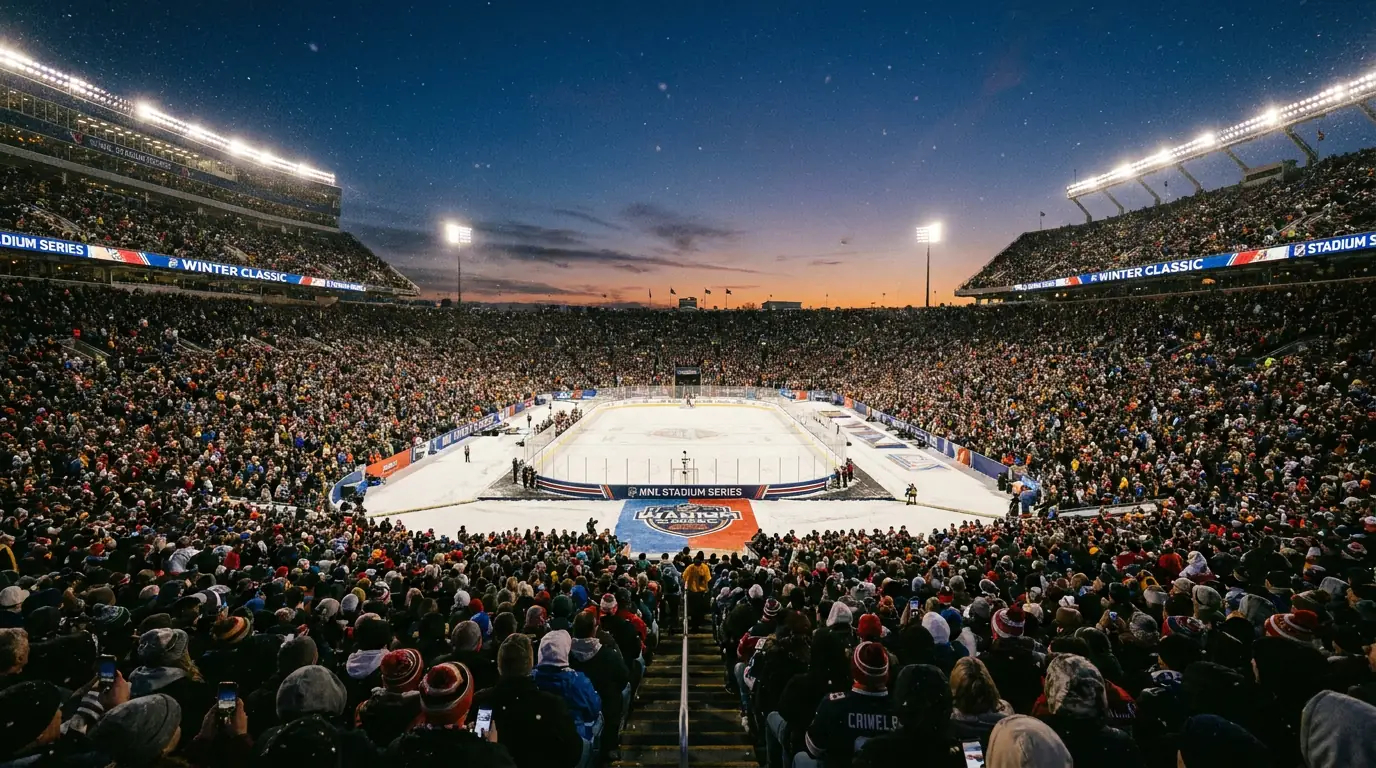
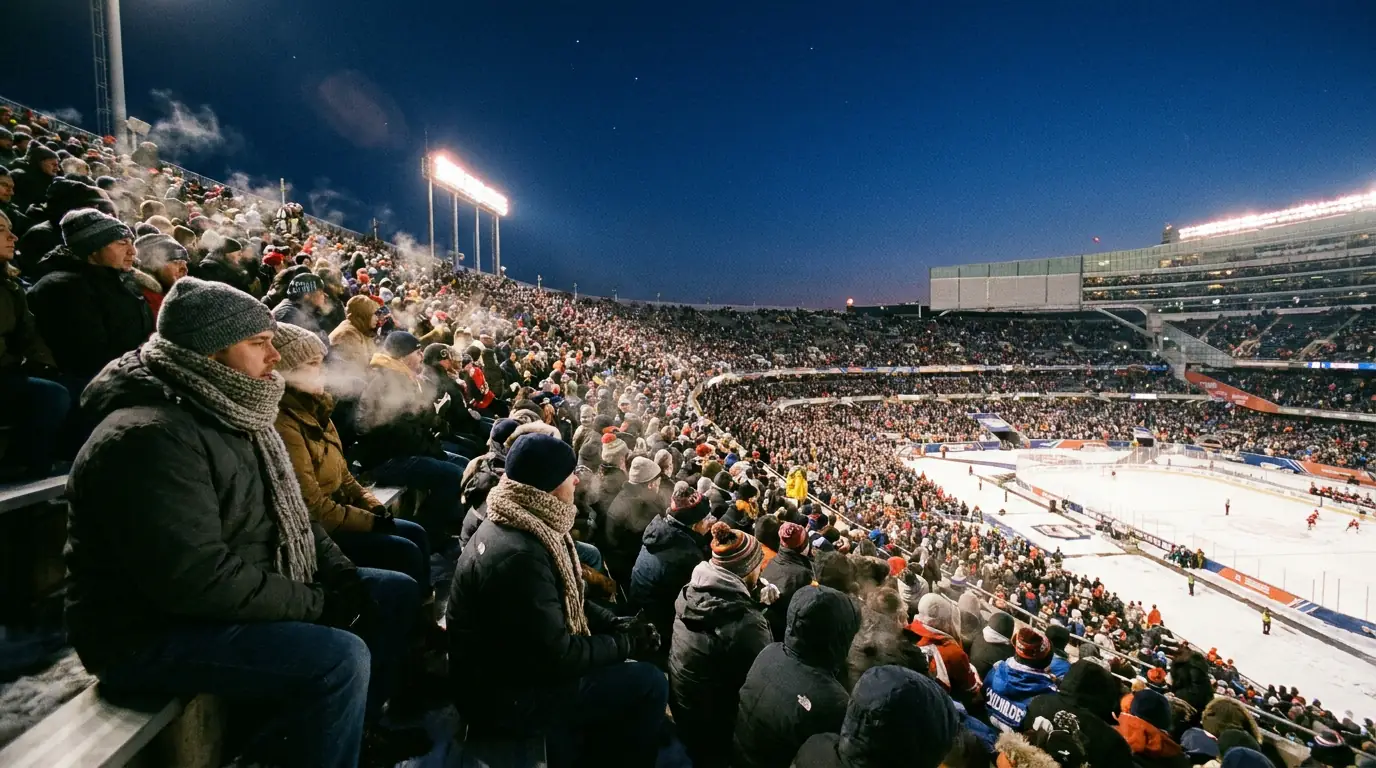
I was at an outdoor NHL game once — not as a bettor, just as a fan — and the experience completely changed how I think about these events. The ice was nothing like what you see in a climate-controlled arena. Pucks bounced unpredictably, passes that would have been tape-to-tape indoors skipped over sticks, and both goaltenders looked uncomfortable tracking shots through the glare and the wind. It was spectacle first, hockey second — and that distinction matters enormously if you are putting money on the result.
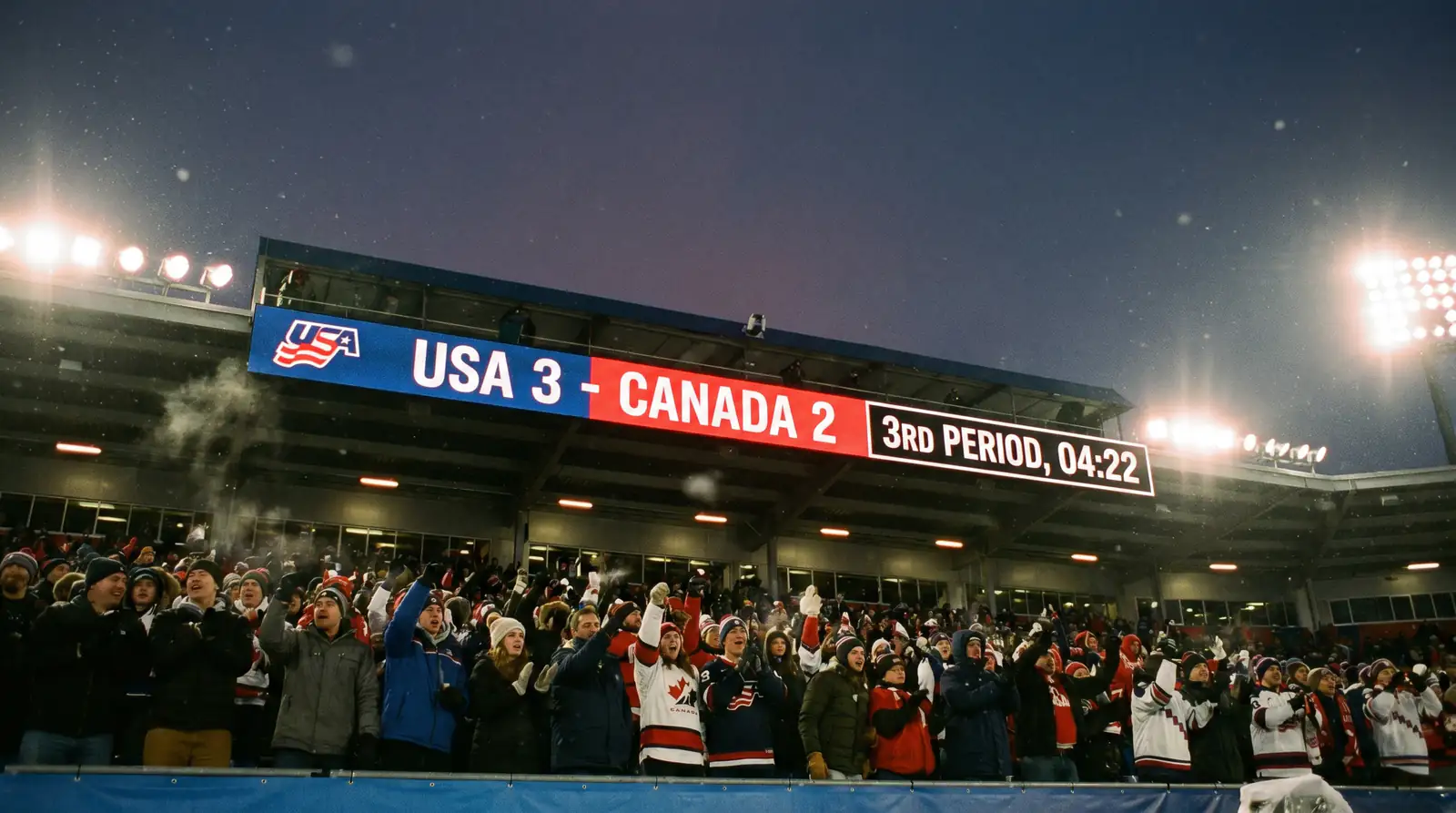
The 2026 NHL Stadium Series between the Bruins and Lightning on February 1 became the most-watched regular season game ever on cable, pulling 2.1 million viewers — a 30% increase over the previous year’s outdoor event. The league invests heavily in these spectacles because they drive viewership, sponsorship, and cultural relevance. For bettors, that spectacle creates a set of conditions that do not exist in any other game on the calendar: variable weather, degraded ice quality, unusual venue dimensions, and an atmosphere that turns professional hockey into something closer to a festival.
The market treats outdoor games like regular NHL contests. That is the mistake — and the opportunity.
How Weather and Ice Quality Affect Outdoor Game Betting
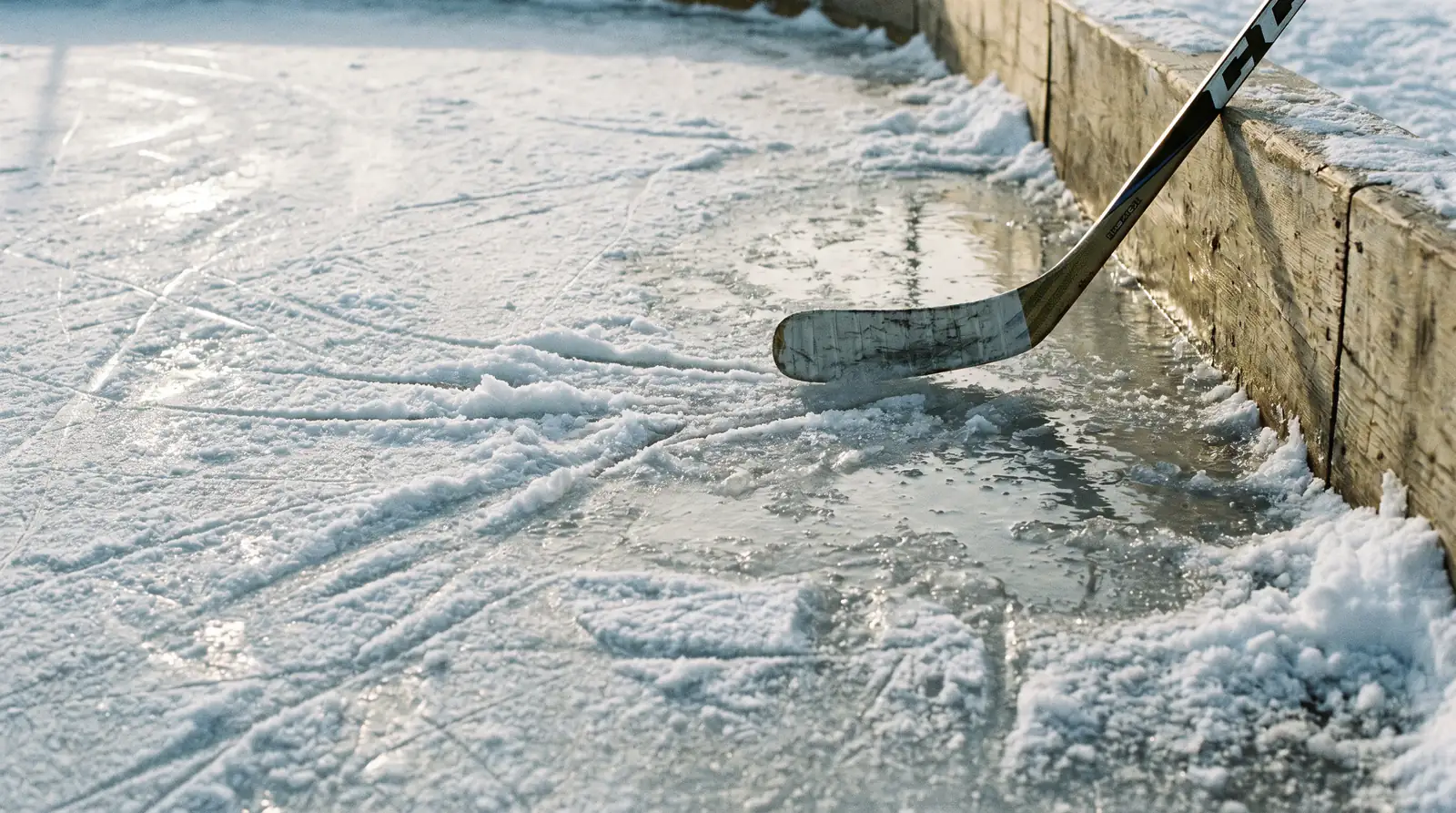
Every outdoor game I have tracked shares one common feature: the ice surface is worse than anything these players experience during the regular season. Indoor arenas maintain ice at a consistent temperature with precise humidity control. Outdoor rinks are at the mercy of ambient conditions — temperature fluctuations, direct sunlight, wind, and even precipitation. The result is a playing surface that deteriorates as the game progresses.
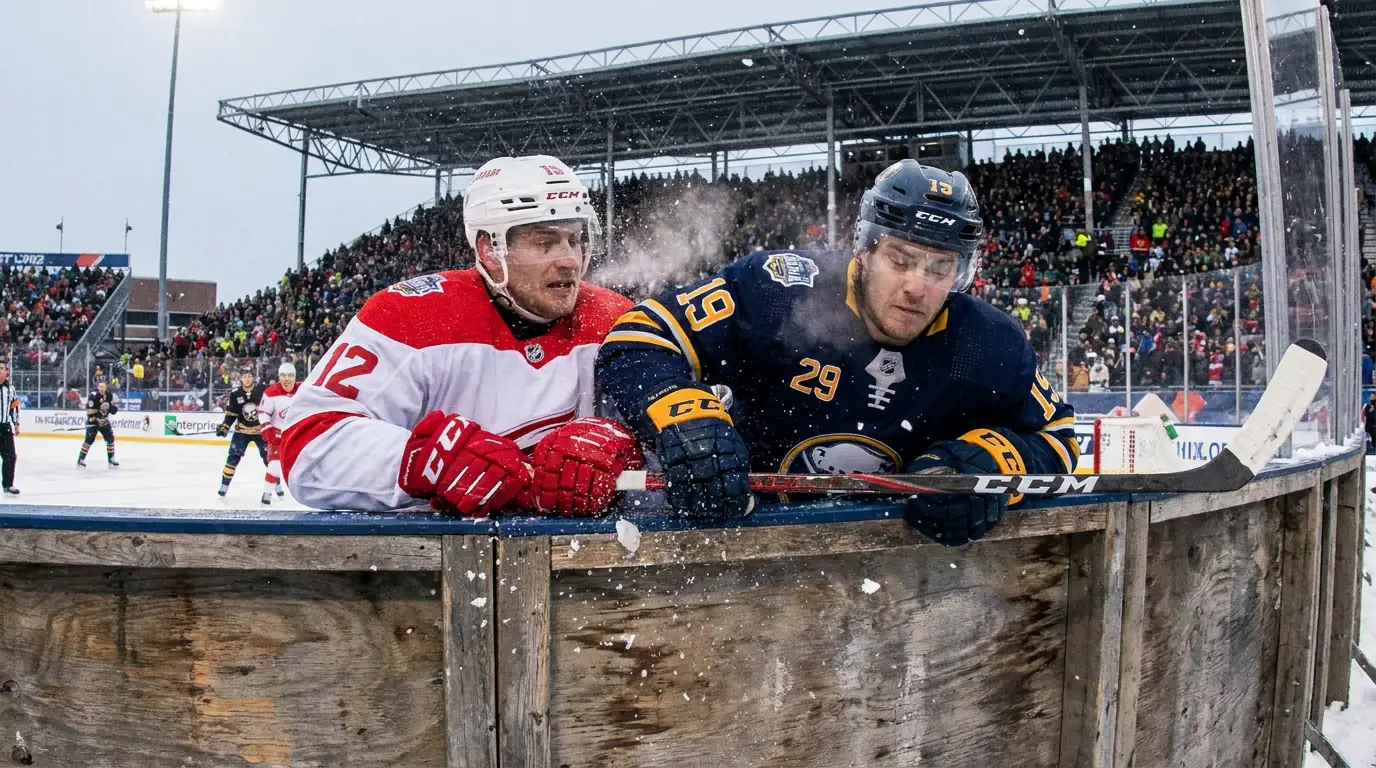
Soft ice changes the game fundamentally. The puck sits differently, bouncing instead of gliding. Skaters lose edges on turns. Goalies struggle with crease movement because their skate blades cut deeper into soft patches. The net effect is more unpredictable play — and unpredictability favours the underdog. When skill execution is compromised by the surface, the talent gap between two teams narrows. A team that would dominate on pristine indoor ice loses some of that advantage on a choppy outdoor surface.
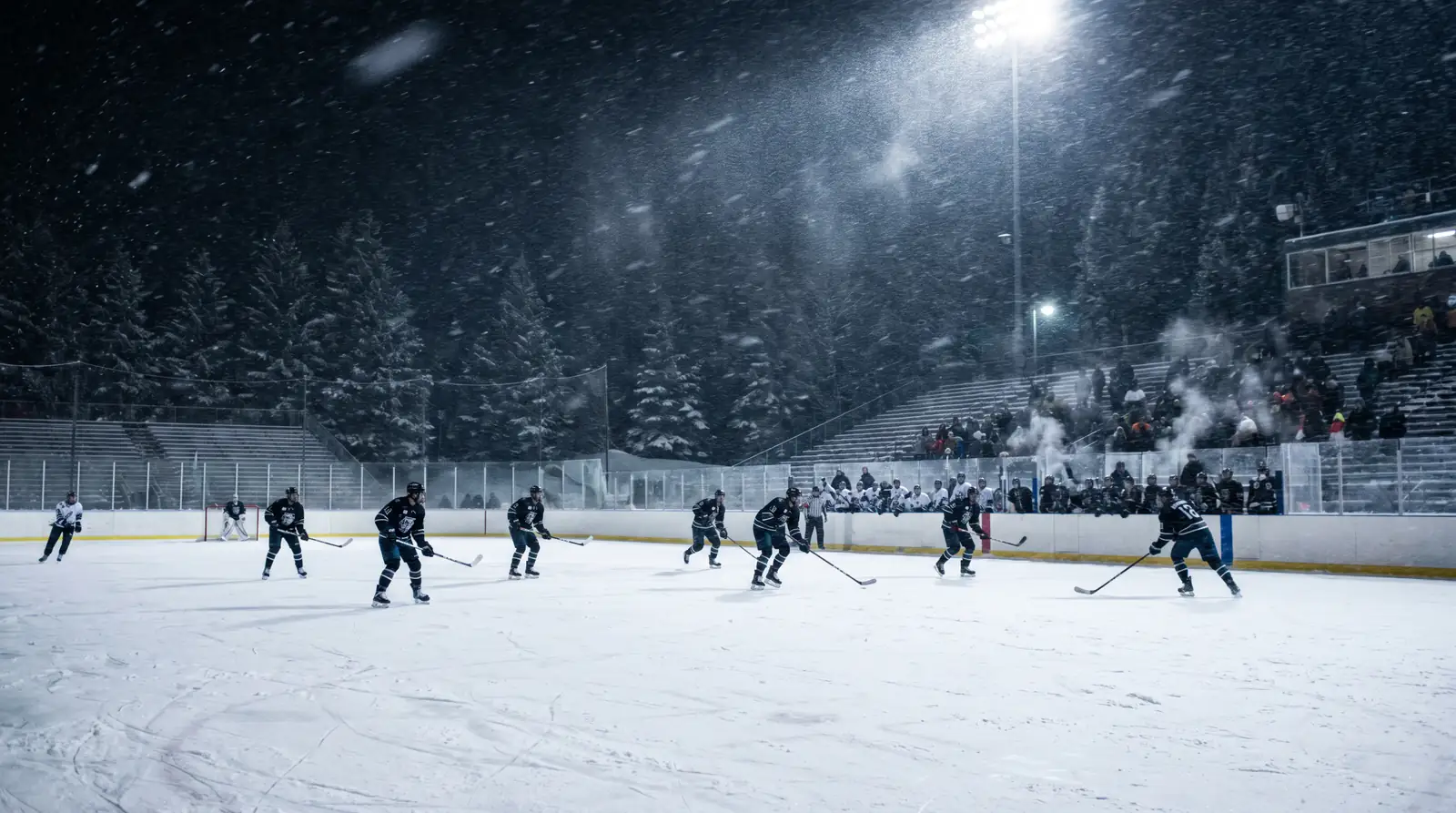
Wind is the variable most bettors ignore entirely. A sustained crosswind affects shot accuracy, pass completion, and goaltender visibility. Wind-driven snow or rain can reduce sight lines for everyone on the ice. I check the weather forecast for the venue on game day — not just the temperature, but wind speed, gusts, and precipitation probability. A calm, cold evening produces the best ice and the most normal hockey. A warm, windy afternoon produces chaos — and chaos is not priced into the standard line.
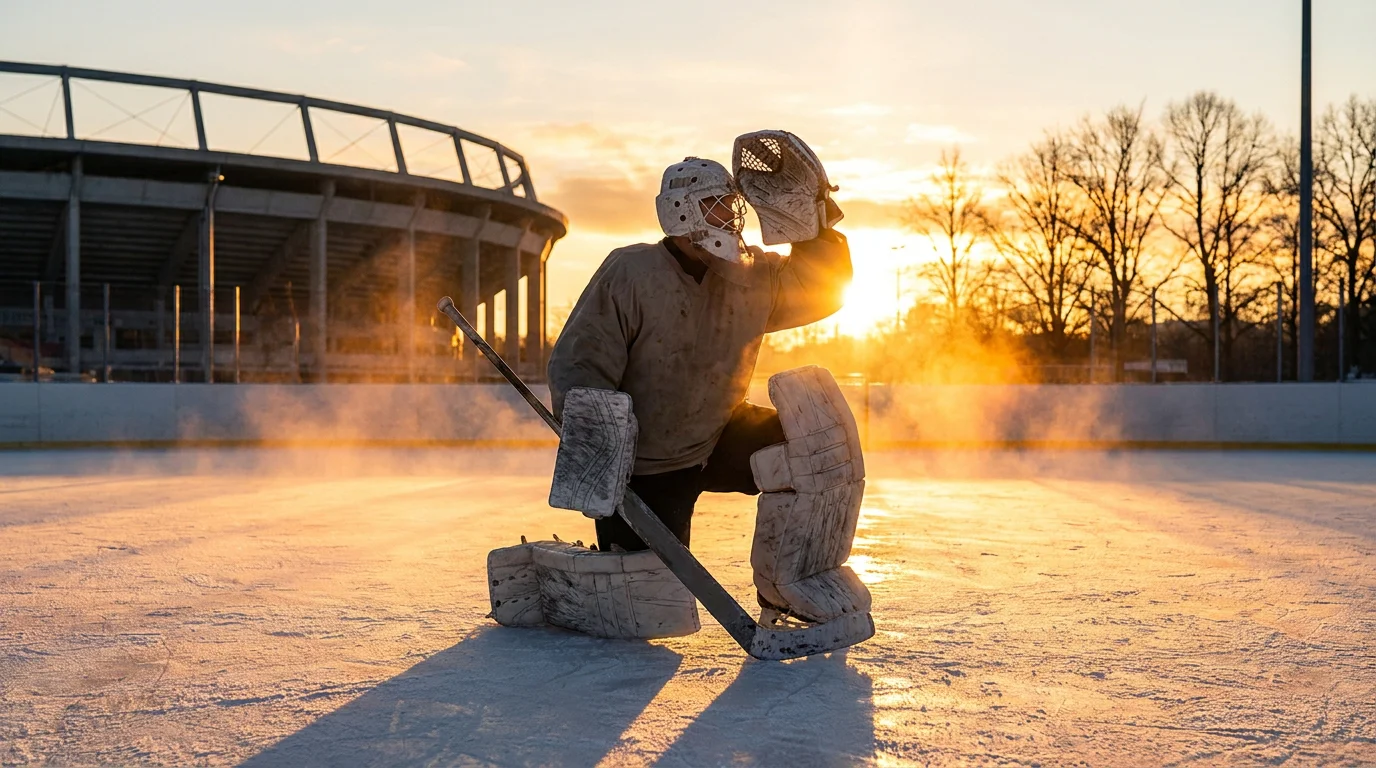
Sun glare during afternoon starts creates another asymmetry. One goaltender faces the sun while the other does not, depending on the rink orientation. That directional disadvantage is real — goalies have spoken publicly about losing the puck in the glare — and it affects the first-period and second-period dynamics more than the third, when the sun has typically set or shifted. Period-specific betting on outdoor afternoon games should account for which end each goaltender is defending and when.
Scoring and Totals Trends in Outdoor NHL Games
There is a popular assumption that outdoor games are low-scoring affairs — grinding, defensive struggles played on bad ice. The data tells a more nuanced story. Looking across the full history of NHL outdoor games, scoring averages vary widely depending on conditions. Cold, calm games tend to produce tighter contests because the ice holds up and goaltenders can track the puck normally. Warm, windy games produce higher scoring because every part of the defensive structure breaks down.
That 2026 Stadium Series game drew its 2.1 million viewers in part because the scoring was entertaining — neither team’s goaltender looked fully comfortable, and the game featured momentum swings that you rarely see in a controlled indoor environment. The market set the total based on each team’s season-long averages, but season-long averages do not account for degraded ice, wind interference, or the adrenaline of playing in front of 60,000-plus fans in a football stadium.
I approach outdoor totals with a simple framework. First, I check the weather: if conditions are calm and cold, I lean under, because the ice will be playable and goaltenders will perform closer to their indoor norms. If conditions are warm, windy, or wet, I lean over, because every element of defensive structure and goaltending reliability degrades. Second, I check the venue — outdoor games in northern cities during winter produce better ice than events in southern or temperate locations. Third, I look at the specific goaltenders. A veteran with outdoor game experience handles the conditions better than a first-timer. The fundamentals of over/under betting still apply, but the inputs need adjusting for the unique outdoor environment.
Period-by-period trends in outdoor games are worth tracking separately. First periods tend to be the tightest, because the ice is at its best and both teams are still adjusting to the environment. Second and third periods — particularly in games where the sun or temperature has degraded the surface — produce the bulk of the scoring. If you are betting period totals on an outdoor game, the second and third periods are where the over value typically sits.
An Approach to Betting NHL Outdoor Events
I treat outdoor games as a completely separate category in my betting portfolio. The factors that drive my regular-season models — expected goals, shot quality, power play efficiency — are still relevant, but their predictive power drops because the playing conditions introduce noise that no model trained on indoor data can fully capture.
My checklist for outdoor game betting starts with weather. I want to know the temperature at puck drop, the wind speed and direction, the precipitation forecast, and whether the game starts in daylight or under lights. Each of those factors shifts my lean on the total and influences whether I am willing to take a side at all. A game played at night in sub-zero temperatures with no wind is the closest you will get to a “normal” outdoor game. Anything else introduces variables that the line underestimates.
Next, I look at team composition. Outdoor games favour teams built on physicality and simple systems — dump the puck in, retrieve it, and get shots to the net. Teams that rely on east-west passing, cross-ice seam plays, and precision breakouts struggle on bad ice because those plays require the puck to slide cleanly. A heavy, north-south team facing a skill-oriented opponent in warm, windy conditions is a matchup that the standard line does not properly reflect.
Goaltending experience matters more here than in any other context. A goalie who has played two or three outdoor games understands the adjustments — how to track the puck through different light, how to manage crease movement on soft ice, how to handle the mental distraction of 60,000 fans at a distance instead of 18,000 right on top of you. First-time outdoor goaltenders are at a genuine disadvantage, and that disadvantage is rarely reflected in the price.
Finally, I size my stakes smaller on outdoor games than on standard contests. The variance is higher, the model confidence is lower, and the sample size of outdoor games is too small to draw robust conclusions. I am comfortable taking a position when the conditions and matchup align with my framework, but I am not comfortable betting as though I have the same edge I would on a Tuesday night indoor game in January.
Stadium Series Betting Questions
Do outdoor NHL games tend to be higher or lower scoring?
It depends on conditions. Cold, calm outdoor games with good ice tend to produce average or below-average scoring. Warm, windy games with degraded ice surfaces tend to produce higher scoring because goaltender performance and defensive structure both suffer. Always check the weather forecast before betting totals on an outdoor game.
Can I bet on the NHL Stadium Series at UK bookmakers?
Yes. UK-licensed sportsbooks treat NHL outdoor games — including the Stadium Series, Winter Classic, and Heritage Classic — as standard NHL regular-season fixtures. All the usual markets are available: moneyline, puck line, totals, period betting, and player props.
