
 Available in US
Content
The Three-Way Market Adds a Draw to Hockey Betting
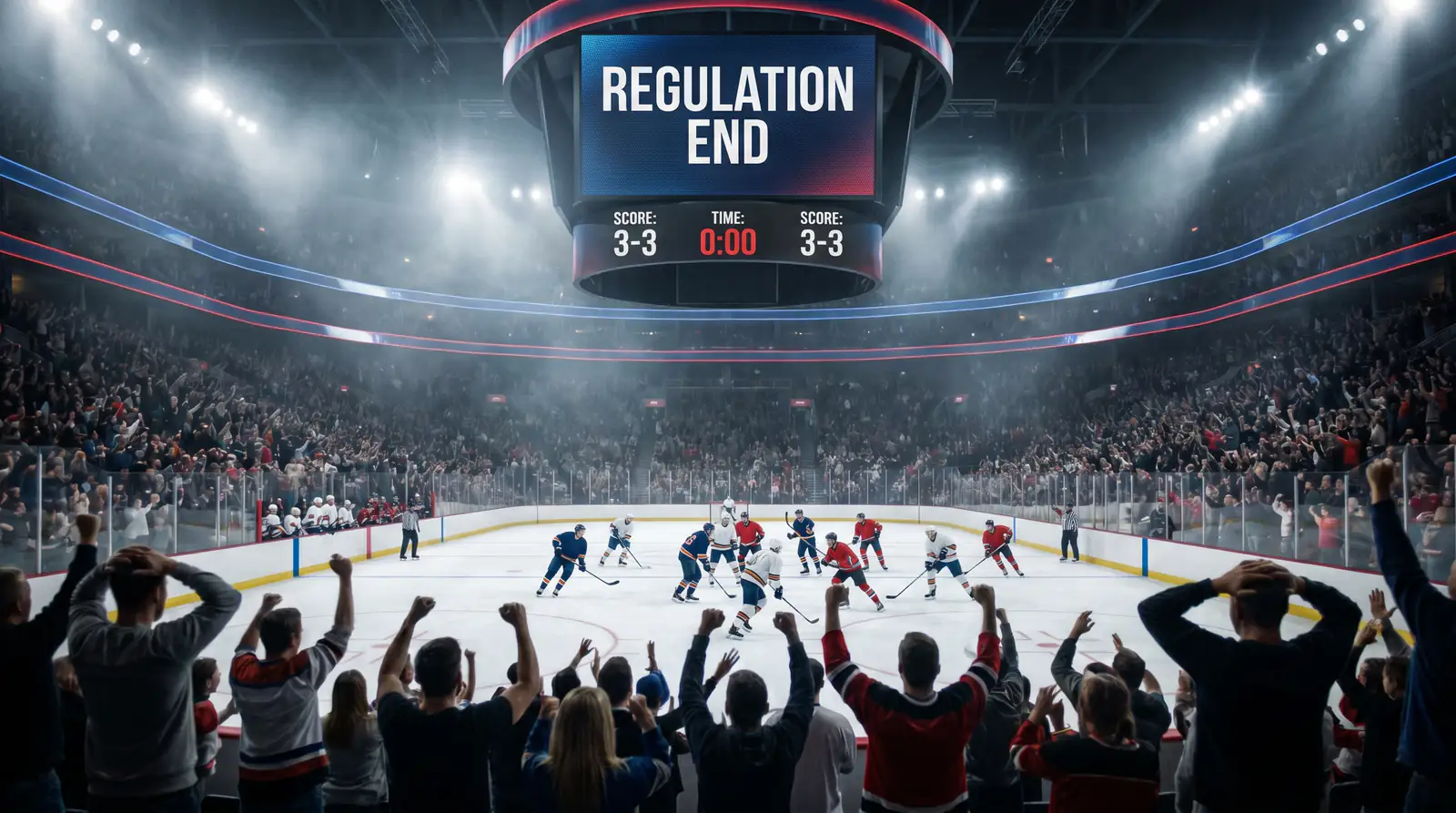
Most North American bettors have never placed a three-way hockey bet. They think of hockey as a sport with a winner and a loser — no draws, no ties, just a result. And they are right about the final score. But the three-way market does not care about the final score. It cares about regulation time, and that distinction is where some of the best value in hockey betting hides.
The three-way market gives you three options: home win, away win, or draw — all settled on the score at the end of sixty minutes of regulation. If the game is tied after three periods, the draw wins regardless of what happens in overtime or the shootout. NHL underdogs already won outright at a 39.1% rate during the 2024-25 season, and once you add the draw as a third outcome, the pricing on all three options shifts in ways that create genuine opportunities.
I have been using three-way markets as a core part of my approach for the better part of six years, and I consistently find value that simply does not exist in the standard two-way moneyline. Here is why — and how to use it.
Regulation Time Only: What Counts and What Doesn’t
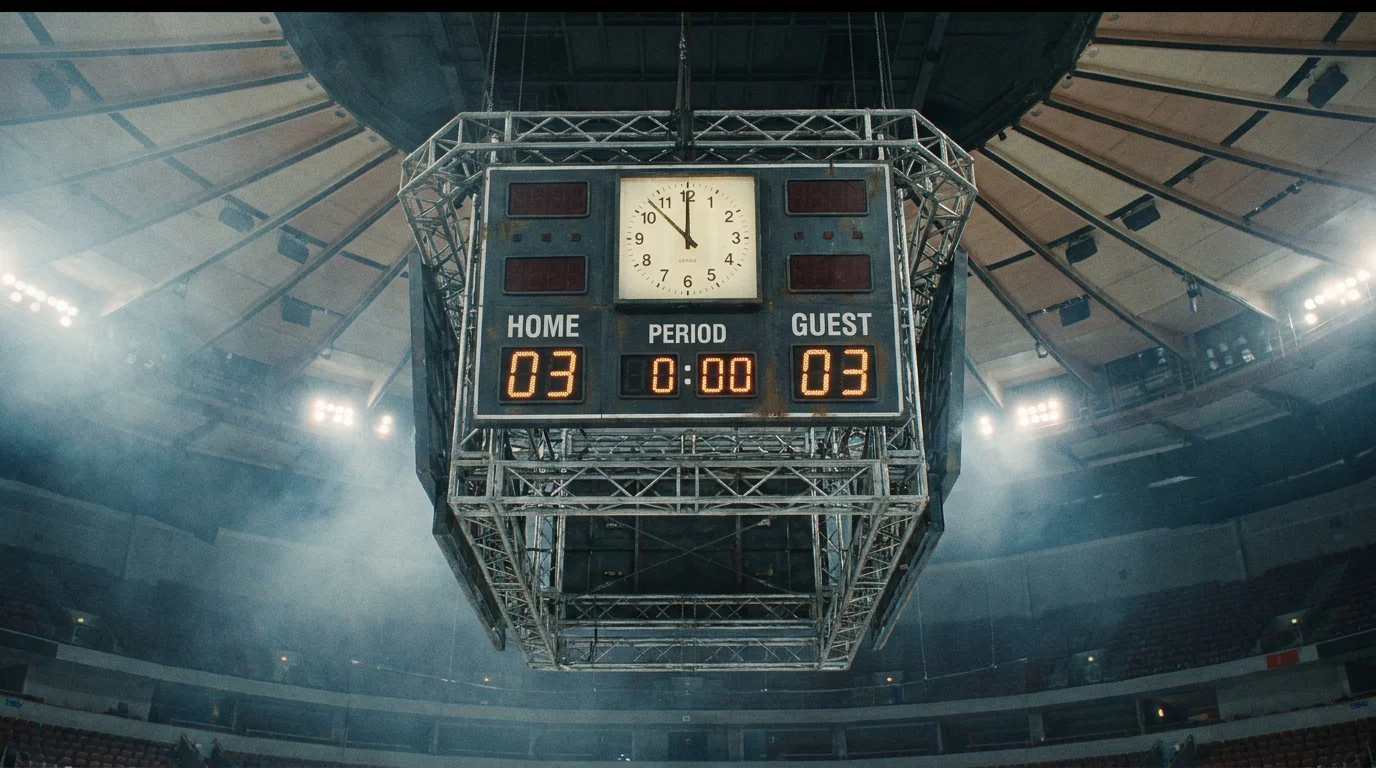
I once had a message from a bettor who was furious because his team won in overtime but his bet was graded as a loss. He had unknowingly placed a three-way wager. That confusion is common, and it is worth eliminating upfront: the three-way market settles exclusively on the regulation-time result — the score after sixty minutes of play.
If the game is 2-2 after three periods, the draw pays. It does not matter if one team scores thirty seconds into overtime. The draw is the winner. If one team leads 3-1 after regulation, that team wins the three-way bet even if the trailing side scores in the final period and the game eventually goes to overtime — because the score at the regulation buzzer was not tied.
This is the same logic that governs football betting markets around the world, which is why the three-way line is standard at UK bookmakers. European sportsbooks have offered it on hockey for years, because their customer base intuitively understands the 1X2 format. North American books sometimes bury it under “alternative markets” or “regulation time result,” so you may need to navigate past the default moneyline to find it. Understanding how overtime and shootout rules affect different bet types is essential before using three-way markets — the settlement criteria are completely different from the standard two-way line.
One nuance to watch: some platforms label the market as “60-minute line” or “regulation time result” rather than “three-way.” The product is identical. If the market offers three options on a hockey game — and one of them is a draw — you are looking at a regulation-time-only settlement.
Three-Way vs Two-Way Pricing: Where the Value Shifts
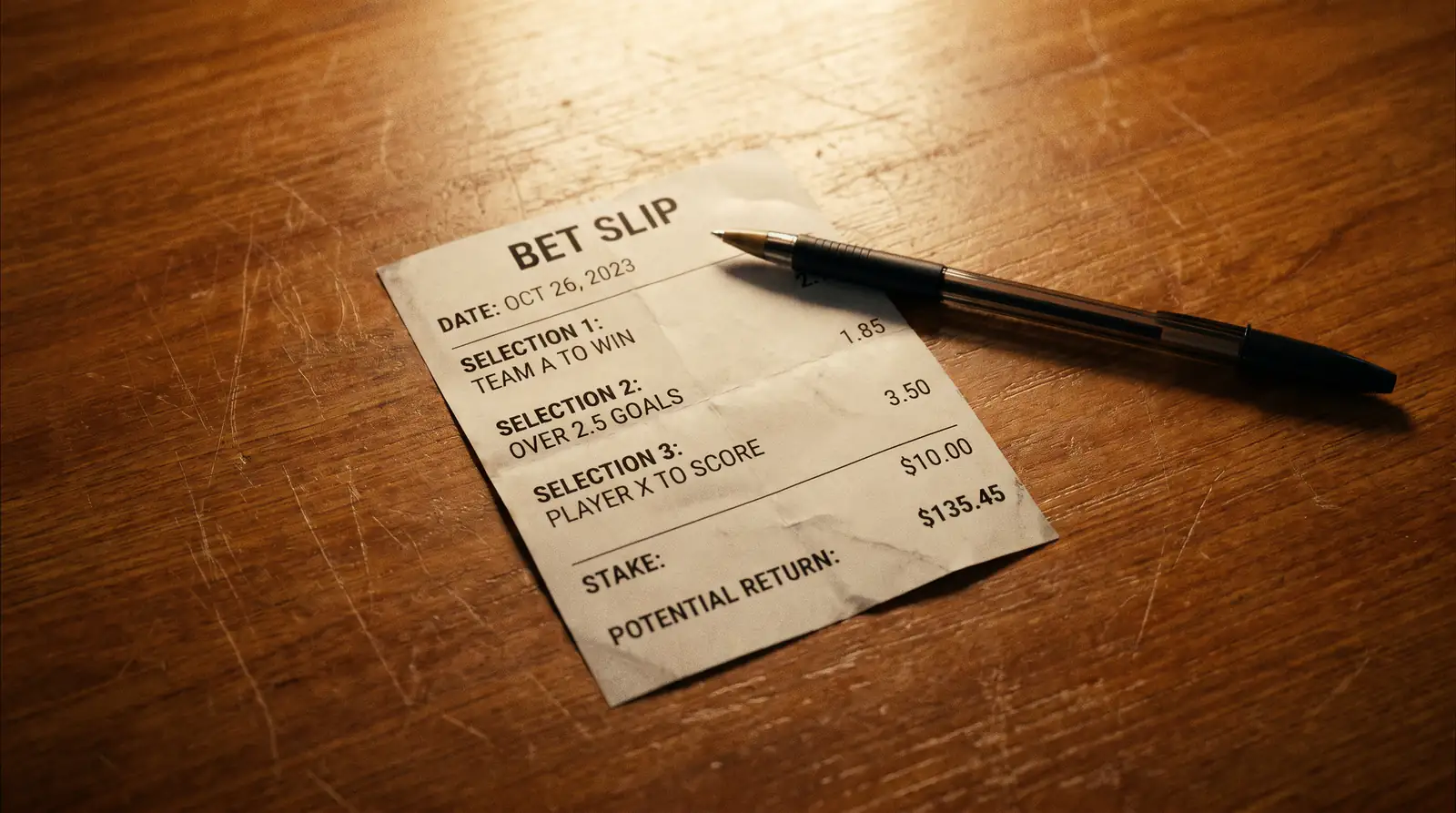
Here is where the maths gets interesting. Consider a game between two evenly matched teams. On the two-way moneyline — which includes overtime and the shootout — each side might be priced around -110 (implied probability roughly 52.4% each, with the overround baked in). The U.S. sportsbook hold averaged 10.15% in 2025, meaning the combined implied probability of both sides exceeds 100% by that margin.
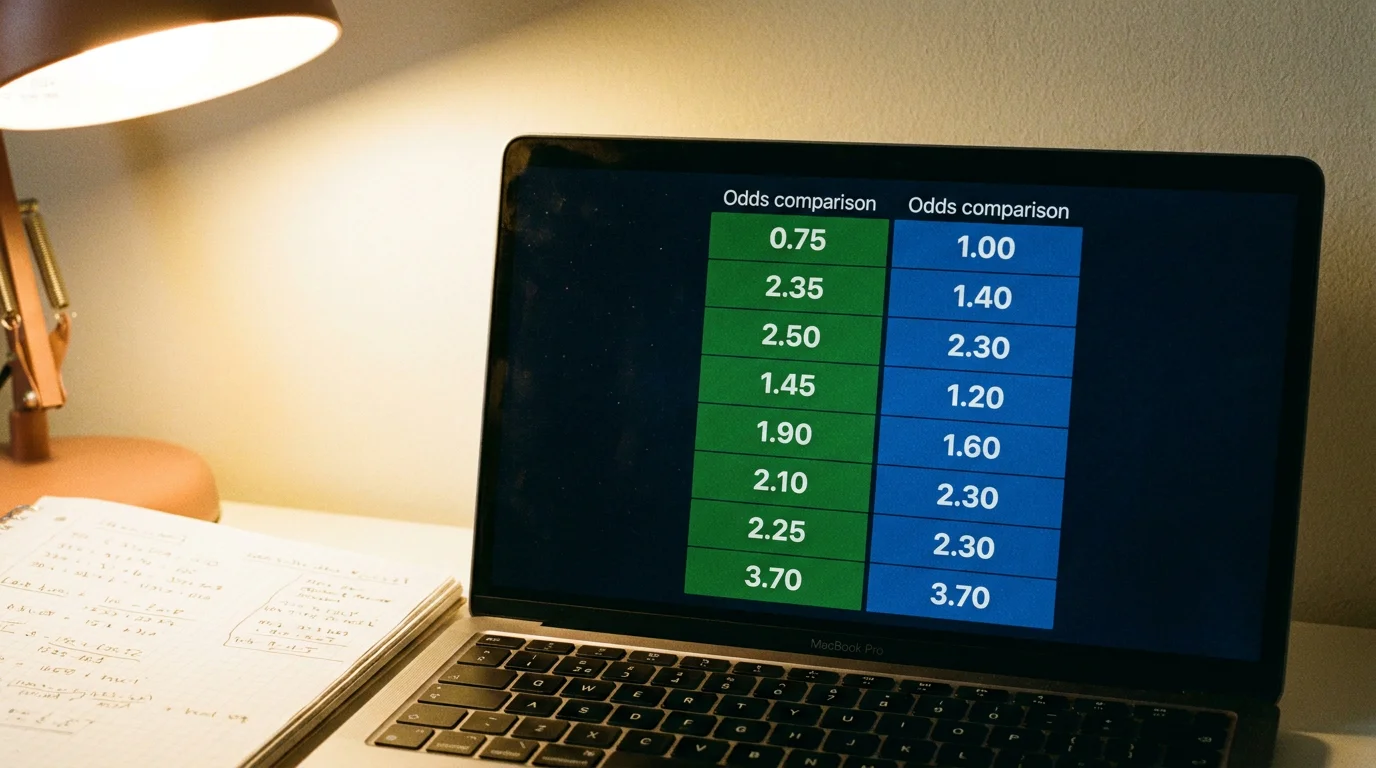
Now look at the same game on the three-way market. The draw needs its own probability, and that probability has to come from somewhere. In a typical NHL game, roughly 23% to 27% of contests go to overtime — which means the draw is a live outcome in about one quarter of all games. When the book prices a draw at, say, 4.00 (25% implied), it has to redistribute the remaining probability across the two sides. Each team’s three-way price lengthens compared to their two-way price, because the draw is absorbing some of the probability that was previously folded into their moneyline.
That redistribution is where value emerges. Bookmakers are very good at pricing two-way hockey markets — they have decades of data and sharp money keeping them honest. But three-way markets see less volume, less sharp action, and less efficient pricing. I have found that the draw in particular is frequently underpriced in games featuring two defensively disciplined teams with strong goaltending, because the public instinctively backs sides rather than draws in hockey.
To make this concrete: if two teams with top-ten penalty kills and starting goaltenders carrying .920-plus save percentages meet, the probability of a regulation draw climbs above 30%. If the book is still pricing the draw at 4.00 (25% implied), you have a five-percentage-point edge. That is enormous in a market where two or three points of edge is enough to be profitable long-term.
When the Three-Way Market Gives a Better Price
Not every game suits a three-way approach. If there is a clear talent gap — a top-five team hosting a bottom-five team — the probability of a regulation draw drops, and the two-way moneyline on the favourite offers a cleaner, more direct bet. The three-way market shines in specific situations.
Divisional matchups between closely ranked teams are the sweet spot. These clubs know each other’s systems, goaltenders have seen the same shooters dozens of times, and the familiarity breeds tight, cautious hockey. The draw rate in divisional games runs higher than the league average, yet the pricing often mirrors the broader market rather than the specific matchup context.

Games between teams with elite goaltending but average offence are another prime candidate. When both netminders are capable of stealing a game, the likelihood of a low-scoring, regulation-time draw spikes. I look for games where both starting goalies are confirmed and both carry save percentages above .915 on the season. That filter alone narrows the field to perhaps two or three games per week — which is the right volume for this kind of targeted bet.

Late-season games where one or both teams have nothing to play for also produce an elevated draw rate. Effort levels dip, coaches rest key players, and the game drifts toward a forgettable tie that overtime eventually resolves. The market often sets the line as though both teams are fully motivated, which inflates the value of the draw.
My suggestion: track three-way results for a month without wagering. Log every game that matches the criteria above and record whether the regulation-time result was a draw. Once you have your own data — not someone else’s model, not a gut feeling — start deploying capital where the numbers support it.
Three-Way Market Questions
What happens to a three-way hockey bet if the game goes to overtime?
If the game is tied at the end of regulation — after sixty minutes of play — the draw wins in the three-way market. It does not matter which team scores in overtime or the shootout. Only the regulation-time score determines the result of a three-way bet.
Do UK bookmakers always offer the three-way market on NHL games?
Most major UK bookmakers offer the three-way market on NHL games as a standard option, often listed as the regulation time result or 60-minute line. Availability can vary for smaller leagues or less prominent matchups, but for NHL regular-season and playoff games, the three-way market is widely available.
