
 Available in US
Content
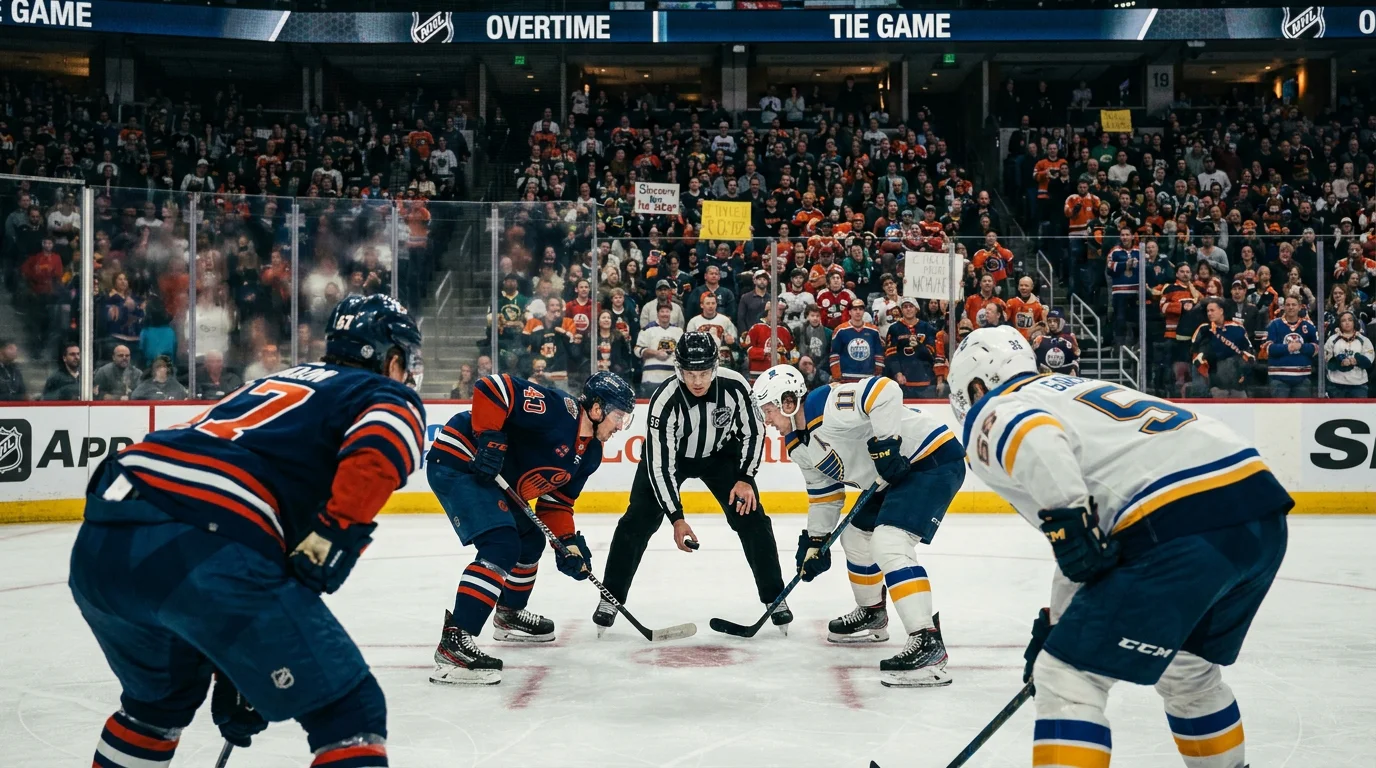
One in Four NHL Games Reaches Overtime — Your Bet Needs to Be Ready
I learned the hard way that overtime matters in hockey betting. Early in my career, I backed a favourite on the moneyline, watched them dominate for 60 minutes, then concede a fluky goal in overtime and “lose” the game. Except my moneyline bet still won, because the standard two-way moneyline includes OT and the shootout. The confusion came from another bet I had placed on the same game — a regulation-time-only three-way market where the result was a draw. Two bets on the same game, two different settlement rules, and neither matched what I expected. That night taught me to read the fine print before puck drop, not after.
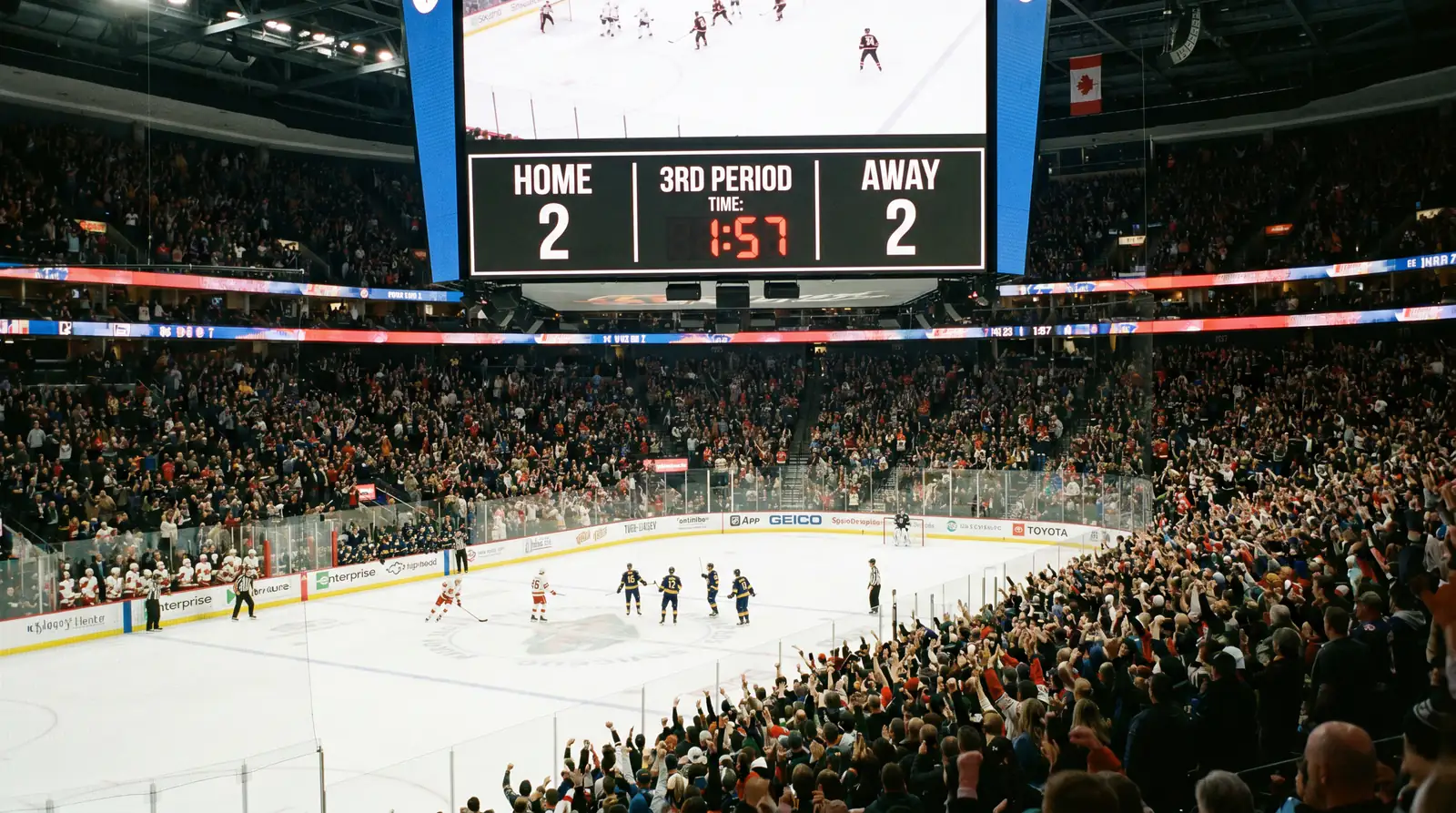
Approximately one in four NHL regular-season games goes past 60 minutes. NHL underdogs win outright 39.1% of the time, and a significant portion of those upsets come in overtime or the shootout, where the format compresses the skill gap and magnifies randomness. If you are not accounting for overtime in your betting framework, you are ignoring a scenario that affects roughly a quarter of your wagers.
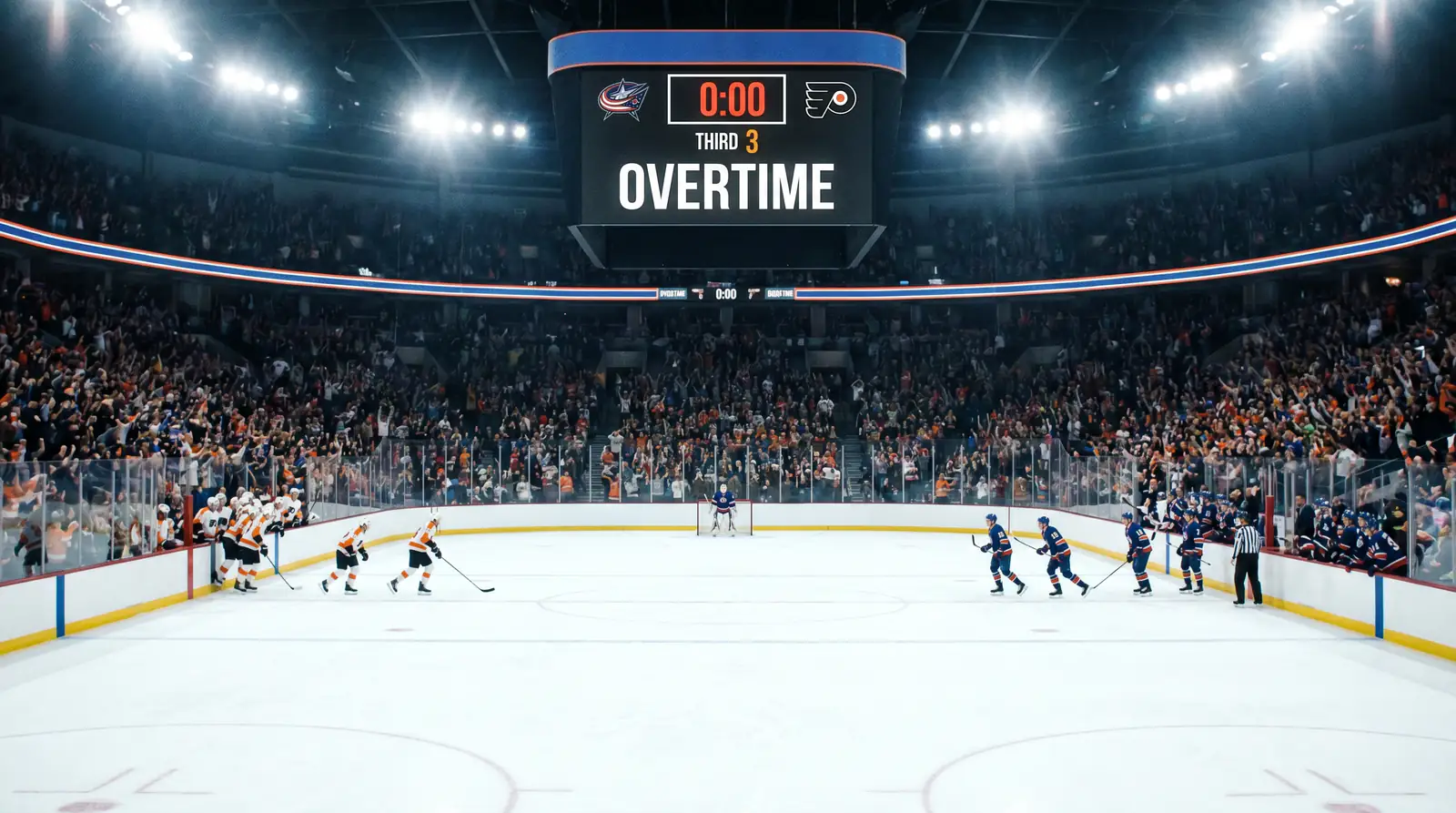
Regular Season vs Playoff Overtime: Different Rules, Different Bets
The NHL runs two entirely different overtime formats, and this is the detail that catches bettors crossing over from other sports. During the regular season, if the game is tied after 60 minutes, a five-minute three-on-three overtime period is played. If no one scores, the game goes to a shootout. The three-on-three format opens up vast amounts of ice, which is why overtime goals come fast — most three-on-three OT periods end within two to three minutes.
During the playoffs, overtime is sudden-death with full five-on-five play, no time limit, and no shootout. A playoff game can theoretically run through multiple 20-minute overtime periods until someone scores. The longest NHL playoff game in recent memory went to triple overtime, lasting over 100 minutes of playing time. This distinction matters enormously for betting because the probability of an upset increases with each additional overtime period. The longer the game runs, the more randomness creeps in, and the favourite’s edge erodes.
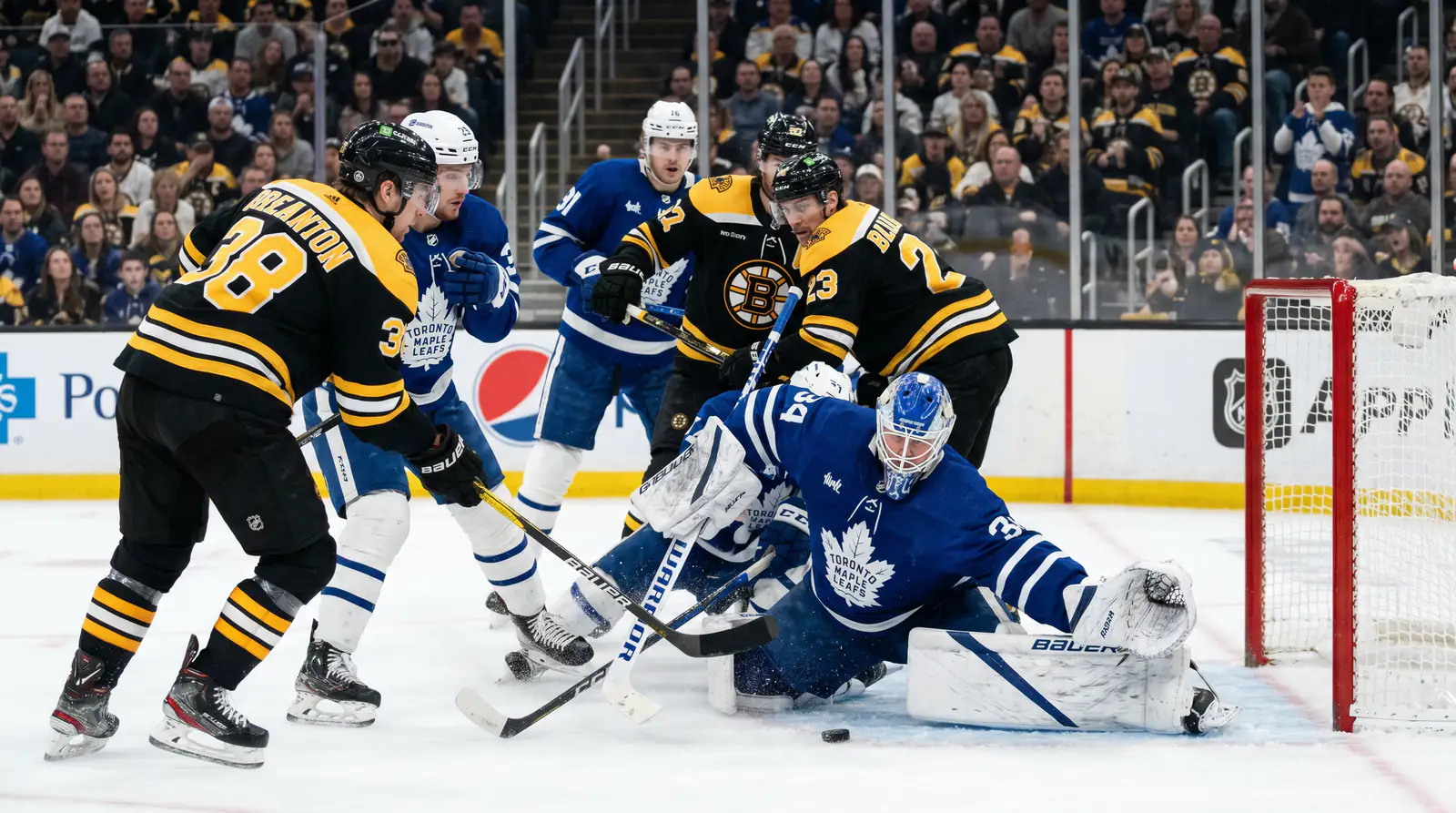
For bettors, the practical difference is in market settlement. Regular-season moneylines include the shootout. Playoff moneylines include all overtime periods. Puck line bets include all extra time in both formats. But three-way markets — regulation time result — settle after 60 minutes regardless of what happens next. That is why the three-way market exists: it carves out the draw as a distinct outcome, and overtime does not affect it. Understanding the connection between overtime rules and the three-way market is fundamental to building a coherent hockey betting strategy.
How Overtime Affects Each Hockey Market Type
My tracking spreadsheet breaks down every market type by whether OT is included in settlement, and I review it at the start of every season to make sure nothing has changed. Here is the framework I use.
The two-way moneyline includes overtime and shootouts. Your team just needs to be credited with the win, however it happens. This is the most common market for NHL betting, and the fact that underdogs covered the puck line at roughly 60% in 2024-25 tells you that one-goal outcomes — the kind that push to overtime — are extremely common. If you are betting moneylines, overtime is already built into the price.
The puck line (±1.5) also includes overtime and shootouts at most bookmakers. A shootout loss counts as a one-goal loss, so a +1.5 underdog who loses in the shootout still covers. This is a critical detail that creates a structural advantage for puck line underdog bettors. The bookmaker prices in the overtime probability, but many bettors do not fully appreciate how much the shootout format compresses the margin of defeat.
The game total (over/under) includes all goals scored in overtime. Shootout goals, however, do not count toward the total at most bookmakers. Only the “winning goal” credited after a shootout (one goal added to the winning team’s tally) counts. This means the practical impact is: shootouts can add exactly one goal to the combined score. On a game sitting right at the total line, that extra goal can flip the result from under to over.
Period-specific bets settle based on goals in that period only and are not affected by overtime. A first-period under bet is complete after the first 20 minutes regardless of what follows. Overtime goals do not retroactively change period bet settlements.
Player props — goalscorer, shots, saves — include overtime. If your anytime goalscorer pick nets the OT winner, that counts. Shots and saves in overtime also count toward player prop totals. However, shootout shots and saves typically do not count for prop settlement purposes, though this varies by bookmaker.
Shootout-Specific Betting Angles
I used to dismiss the shootout as pure luck. Then I spent a month studying team-level shootout records over three seasons and found enough persistence to take it seriously. Some teams consistently outperform in shootouts because they carry elite one-on-one forwards and a goaltender who thrives in isolation situations. These are skills, not randomness, and they repeat at rates above what chance would predict.
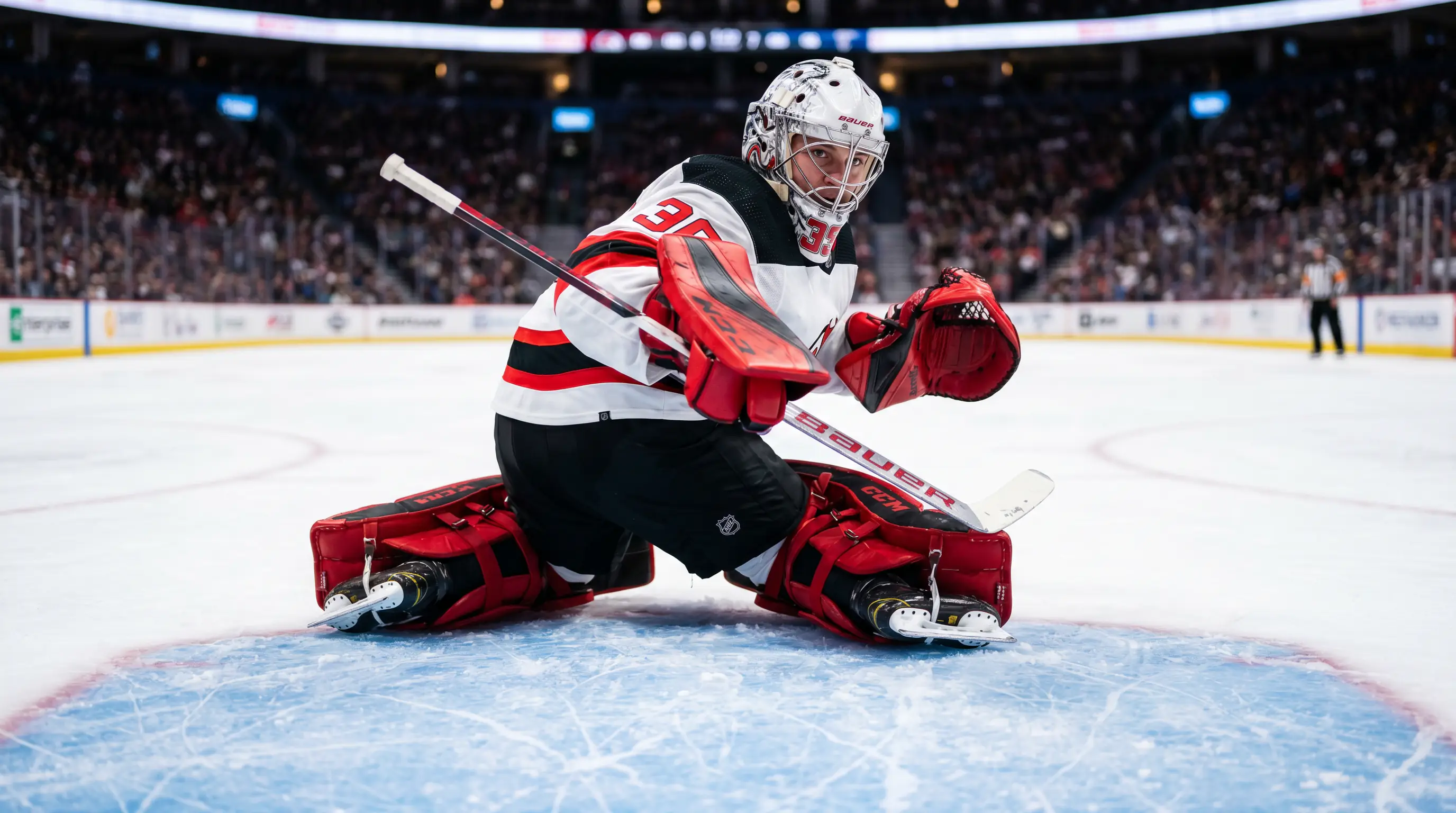
Gary Bettman has spoken about the integrity of the game and how players compete hard every night — that competitiveness extends to the shootout, where individual pride drives performance. A goaltender who has saved 38% of shootout attempts over his career is a meaningfully different proposition than one who has saved 28%. The difference in expected outcomes is significant enough to influence whether a game that reaches a shootout is more likely to end in the favourite’s favour or the underdog’s.
The “will there be a shootout” market is available at some bookmakers, usually priced around 3.50 to 4.50 for “yes.” The implied probability of roughly 22-29% aligns with the actual frequency. I do not bet this market often, but when I see a matchup between two teams with historically tight head-to-head results and strong goaltending, the shootout probability rises above the market price, and the “yes” becomes an interesting speculative play.
One practical angle: teams that are strong in the three-on-three overtime format and strong in the shootout tend to be under-valued in late-game live betting situations. When a game is tied with five minutes left in the third period, the live moneyline for these teams often does not fully account for their edge in the extra-time formats. I flag these teams at the start of each season and monitor their live prices in tied games during the final period.
Overtime Betting Questions
Do moneyline bets include overtime in the NHL?
Yes. Standard two-way NHL moneyline bets include overtime and the shootout in the regular season, and all overtime periods in the playoffs. The team credited with the win settles the moneyline. The only exception is the three-way market, which settles after 60 minutes of regulation time and treats a tie as a draw.
Is a puck line bet settled after regulation or after overtime?
Puck line bets include overtime and shootouts in their settlement at most bookmakers. If a game ends 3-2 after a shootout, the final score is recorded as 3-2, meaning the losing team lost by one goal and a +1.5 puck line bet on them would cover. Always confirm the specific settlement rules with your bookmaker, as regulation-time-only puck lines exist as a separate market.
