
 Available in US
Content

Totals Betting Strips Hockey Down to One Number
The first time I truly fell in love with totals betting was during a random November Tuesday. I had no strong opinion on who would win the game, but I had spent an hour looking at goaltender save percentages and shot attempt data, and every signal pointed to a low-scoring affair. I took the under at 5.5, the game ended 2-1, and I realised I had found a market where process beats fandom. You do not need to pick a winner. You just need to read the conditions correctly.
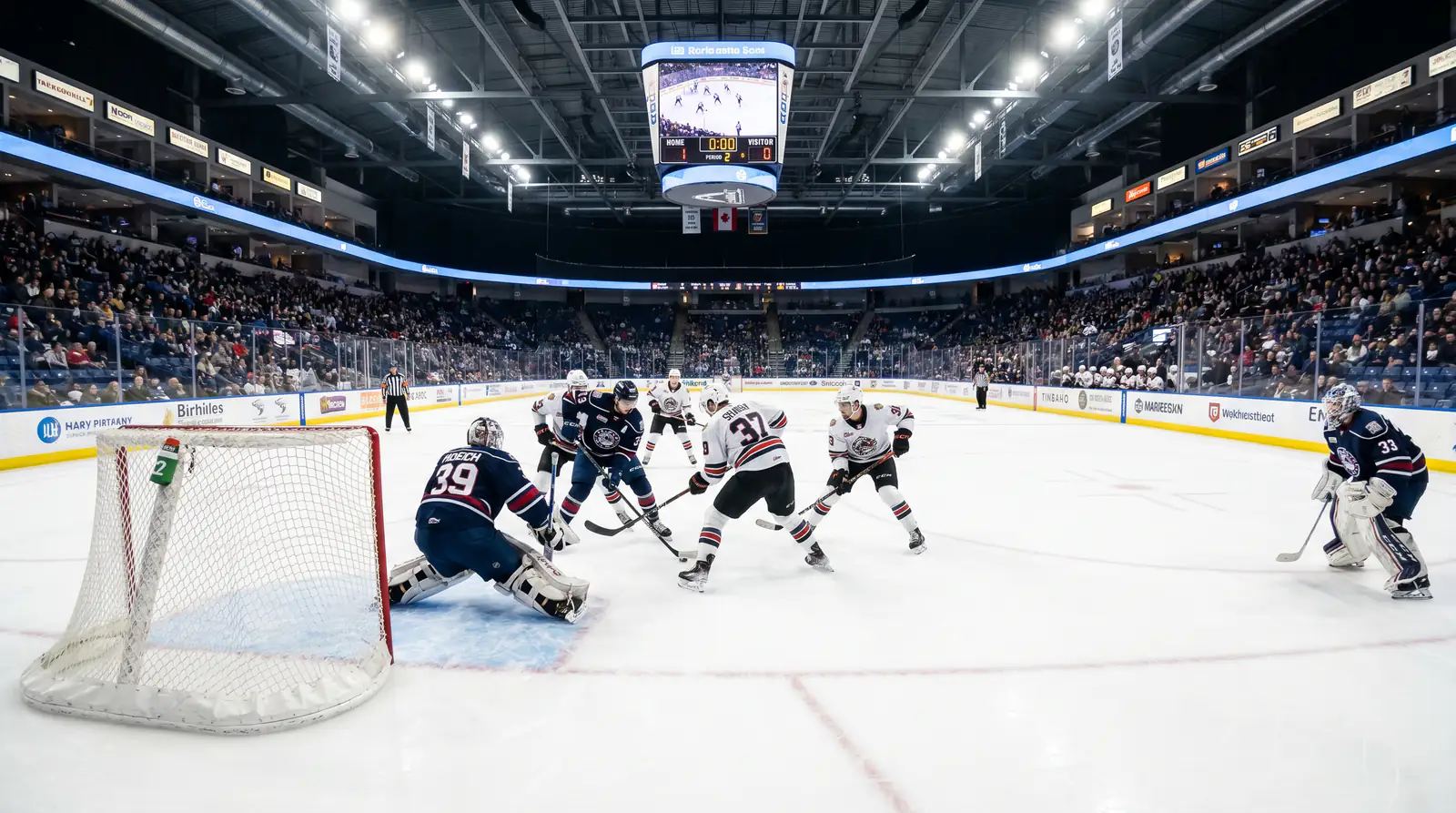
Over/under betting in hockey is straightforward in concept. The bookmaker sets a total — usually between 5.0 and 6.5 goals for an NHL game — and you decide whether the combined final score will be higher or lower than that number. The beauty of this market is that it shifts the analytical lens from team superiority to game environment. Two mediocre teams can produce an over if both have leaky goaltending. Two elite teams can produce an under if the netminders are locked in. That independence from the moneyline is what makes totals a powerful complement to your betting portfolio.
How Over/Under Lines Are Set in Hockey
I once asked a former odds compiler what goes into setting an NHL total. His answer was blunt: “Goaltending, pace, and whatever the public did last week.” That third factor is the one most bettors underestimate. Public perception of teams as “high-scoring” or “defensive” lags behind real-time performance by weeks, and bookmakers exploit that lag.
The standard NHL total for most games sits at 6.0 or 6.5, with the odds on each side adjusted to reflect the compiler’s lean. A total of 6.0 with the over priced at 1.80 and the under at 2.05 signals the book expects scoring closer to the under side. When both sides are near 1.90-1.95, the line is considered balanced. NHL underdogs winning at 39.1% means a significant chunk of games are competitive, one-goal affairs — which naturally pushes the goal total distribution toward that 5-6 range more often than the public assumes.
Half-goal lines (5.5, 6.5) eliminate the possibility of a push. Whole-number lines (6.0) allow pushes where your stake is refunded. I prefer half-goal lines for clarity — you always get a result, win or lose. Some bookmakers offer quarter-goal lines (5.75, 6.25) where half your stake is on each adjacent half-goal, but these are less common in UK-facing shops for hockey.
The opening line typically appears 18-24 hours before puck drop and moves based on two forces: sharp money (professional bettors who act early) and goaltender confirmation (which usually comes the morning of the game). I have found that the biggest line movements on totals happen after goalie announcements, not after public money hits the market.

Factors That Move Hockey Totals
A friend who bets baseball once told me that pitching is 80% of the game for totals purposes. I told him goaltending is 80% of hockey totals, and the remaining 20% is split between pace, special teams, and schedule context. He thought I was exaggerating. I was not.
The starting goaltender is the single most influential variable. A team rolling out their starter with a .925 save percentage versus one running a backup at .895 represents a massive gap in expected goals allowed. When both teams start strong goalies, the under becomes the default lean. When one or both sides go with backups, the over gets a structural boost. NHL Commissioner Gary Bettman has spoken about his confidence in the integrity of the game and how players compete hard every night — that competitive intensity means goaltenders are not coasting, which keeps save percentages meaningful as a predictive tool.
Pace of play is the second lever. Teams that generate high shot volumes at five-on-five tend to be involved in higher-scoring games regardless of whether they win or lose. I track Corsi-for per 60 minutes as a proxy for pace: teams above 55 CF/60 push game environments toward the over at a measurably higher rate. But raw shot volume without quality — low expected goals relative to shot count — can be misleading, so I cross-reference with expected goals models before committing.

Special teams create goal-scoring spikes that the base total does not always account for. A game between two teams with power play conversion rates above 24% and penalty kill rates below 78% is a different animal than a game between disciplined, defence-first sides. The goaltender’s impact on those special teams numbers is often underweighted in the line because bookmakers set the base total before confirming starters.
Schedule spots matter more than most bettors credit. Back-to-back games, especially where one team has travelled, tend to produce slightly higher totals because fatigued legs mean worse defensive coverage. Late-season games between teams out of playoff contention can go either way — sometimes they are low-effort, low-event affairs, and other times the young players trying to earn roster spots push the pace.
Over/Under Strategies: Goalies, Pace, and Schedule Spots
Early in my betting career, I backed overs almost exclusively because they felt more exciting. Goals, celebrations, drama — who wants to sweat a 1-0 game? That emotional bias cost me. NHL gate receipts were at 96% of arena capacity in the 2024-25 season, meaning these games are packed with energy regardless of the scoreline. The under can be just as thrilling when your analysis proves correct.
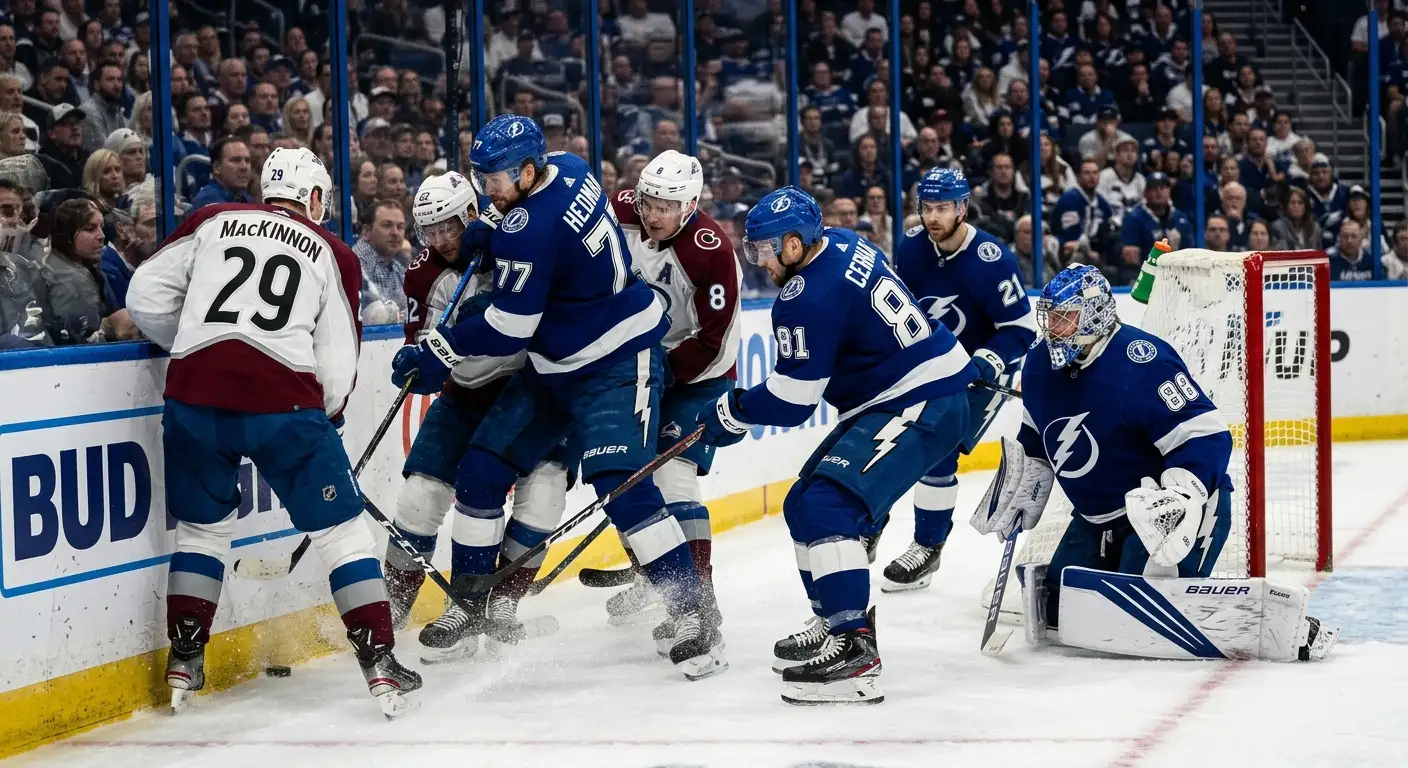
My current approach is built on three filters. First, I check the goaltender matchup. If both confirmed starters have a save percentage above .915 over their last 15 games, I lean under. If either starter is below .900 or a backup is confirmed, I lean over. Second, I look at five-on-five expected goals for both teams. If the combined expected goals per 60 minutes exceeds 5.8, the over has a mathematical tailwind. Third, I check the schedule: is either team on the second night of a back-to-back? Has either team played three games in four nights? Fatigue degrades goaltending and defensive structure, tilting the environment toward more goals.
One under-the-radar angle involves the time of season. The first two weeks after the NHL All-Star break and the final two weeks of the regular season both produce slightly elevated scoring. Players returning from rest take a game or two to find their defensive rhythm. And teams locked into playoff positioning sometimes rest key players, creating mismatches that inflate goal counts.
A word on discipline: I cap my totals bets at two per night maximum. The temptation on a busy NHL slate is to fire on every game, but totals require precise reads on goaltending and pace that deteriorate when you spread your attention across eight or ten matchups. Quality of analysis beats volume every time in this market.

Hockey Totals Questions
What is the most common over/under line in NHL games?
The most common NHL totals line is 6.0 or 6.5 goals. Occasionally you will see 5.5 for games featuring elite goaltending matchups or defensive-minded teams. Lines of 7.0 or above are rare and typically only appear in projected high-offence matchups with confirmed backup goaltenders.
How do empty-net goals affect over/under bets?
Empty-net goals count toward the final score and therefore affect over/under settlement. A trailing team pulling their goaltender in the final minutes creates an opportunity for the leading team to score into an empty net, which can push a game over the total in the closing seconds. This is a real factor in games sitting right on the total number.
