
 Available in US
Content

First Goalscorer Bets Are Hockey’s Highest-Odds Single Player Market
There is something uniquely satisfying about nailing a first goalscorer bet. You are not just predicting which team wins or how many goals get scored — you are pinpointing the exact player who will put the puck in the net before anyone else. It is the hardest single-game player market to hit, and the prices reflect that difficulty. Typical first goalscorer odds range from 8.00 to 25.00 depending on the player, which means even a modest strike rate generates significant returns over time.
The NHL’s 2024-25 season drew over 23 million fans through arena doors, and every one of those spectators knows the electric moment when the first goal lands. For bettors, that moment is not just excitement — it is a market with identifiable patterns that the casual punter overlooks. First goalscorer betting is not a lottery. It rewards research, and the research is surprisingly accessible once you know what to look for.

I have been tracking first-goal patterns across the league for seven seasons now, and certain player profiles and game situations produce scorers at rates the market consistently underestimates.
First Goalscorer vs Anytime Goalscorer vs Last Goalscorer
Before I started specialising in this market, I used to conflate first goalscorer with anytime goalscorer and wonder why my returns were so different across the two. They sound similar, but the profiles of players who hit in each market diverge sharply — and understanding that divergence is the first step toward making profitable selections.
A first goalscorer bet wins only if your chosen player scores the game’s opening goal. No other goal counts. If your player scores the second, third, or fifth goal, you lose. The market is binary and unforgiving, which is why the odds are the longest of any goalscorer market. Variance is high, and you need to accept that even excellent selections will lose more often than they win.
Anytime goalscorer is more forgiving — your player just needs to score at any point during the game. The odds are shorter, typically between 2.00 and 5.00 for regular scorers, and the hit rate is higher. If you are looking for volume and consistency, anytime goalscorer is the better vehicle. But the edge per bet is smaller, and the returns on a winning run are less dramatic.
Last goalscorer is the most unpredictable of the three. It depends on game flow, score differential, empty-net situations, and even whether the losing team pulls its goaltender in the final minutes. Empty-net goals — scored into an unattended net when the trailing team has pulled its goalie for an extra skater — disproportionately go to defensive forwards and defencemen who are not typical scorers. Last goalscorer is essentially a randomised market with minimal analytical edge, and I rarely touch it.
The sweet spot for skilled bettors is first goalscorer. The odds are generous, the analytical framework is clear, and the player pool that scores first goals is narrower than most people think.

What Makes a Good First Goalscorer Pick
When I am selecting a first goalscorer, I am not looking for the best player on the ice. I am looking for the player most likely to score the first goal specifically — and those are often different people. Hockey holds a growing share of the global sports betting market, where football commands roughly 35% of all wagering volume. As hockey’s betting ecosystem matures, the depth of data available for markets like first goalscorer continues to improve, and that data points toward three key selection factors.
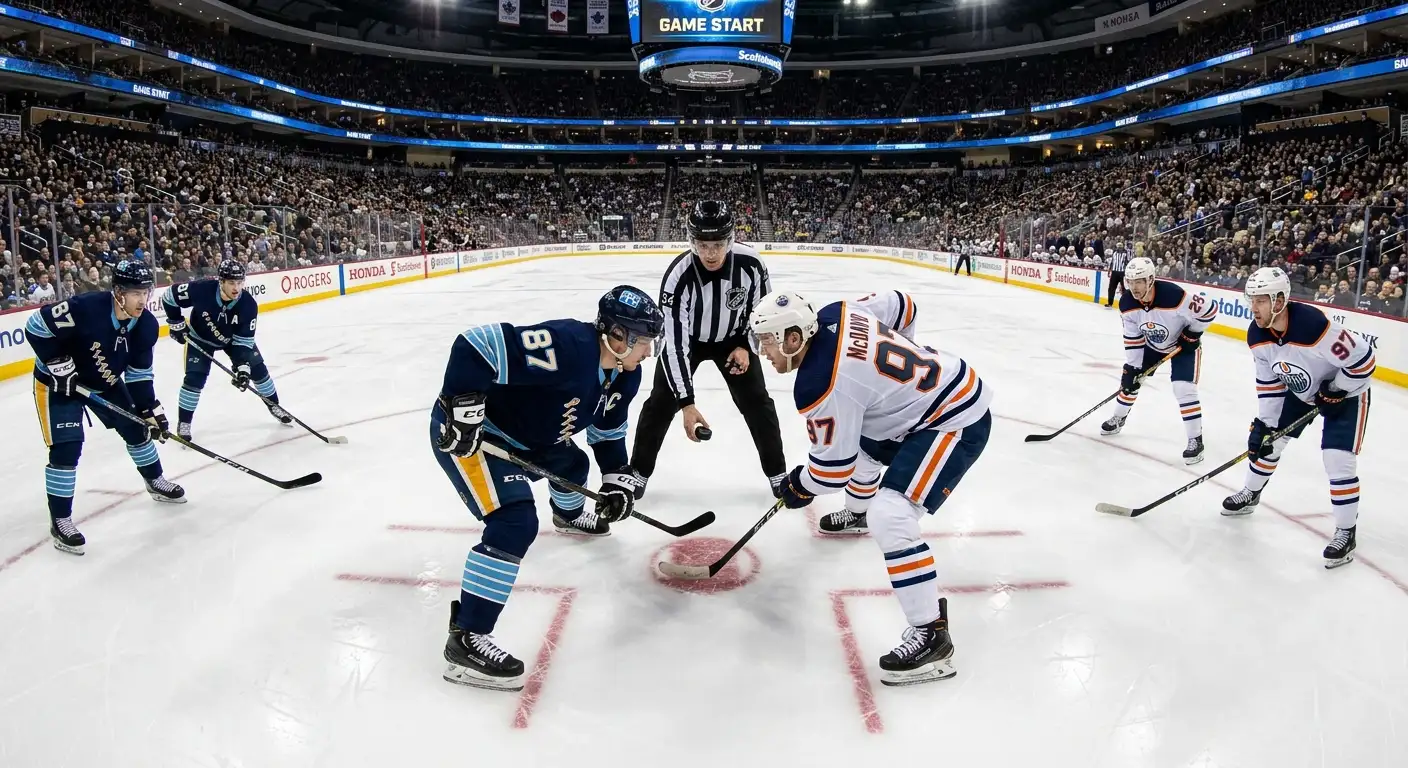
The first factor is early-game deployment. Coaches structure their opening shifts deliberately — the first line typically takes the ice for the initial faceoff, and the players on that line have the first opportunity to score. If a top-line winger consistently starts the game, he gets the first shot at a first goal. Check line combinations in pre-game reports. A player who is expected to start the game on the bench — because his line is deployed second or third — has a structural disadvantage regardless of his talent.
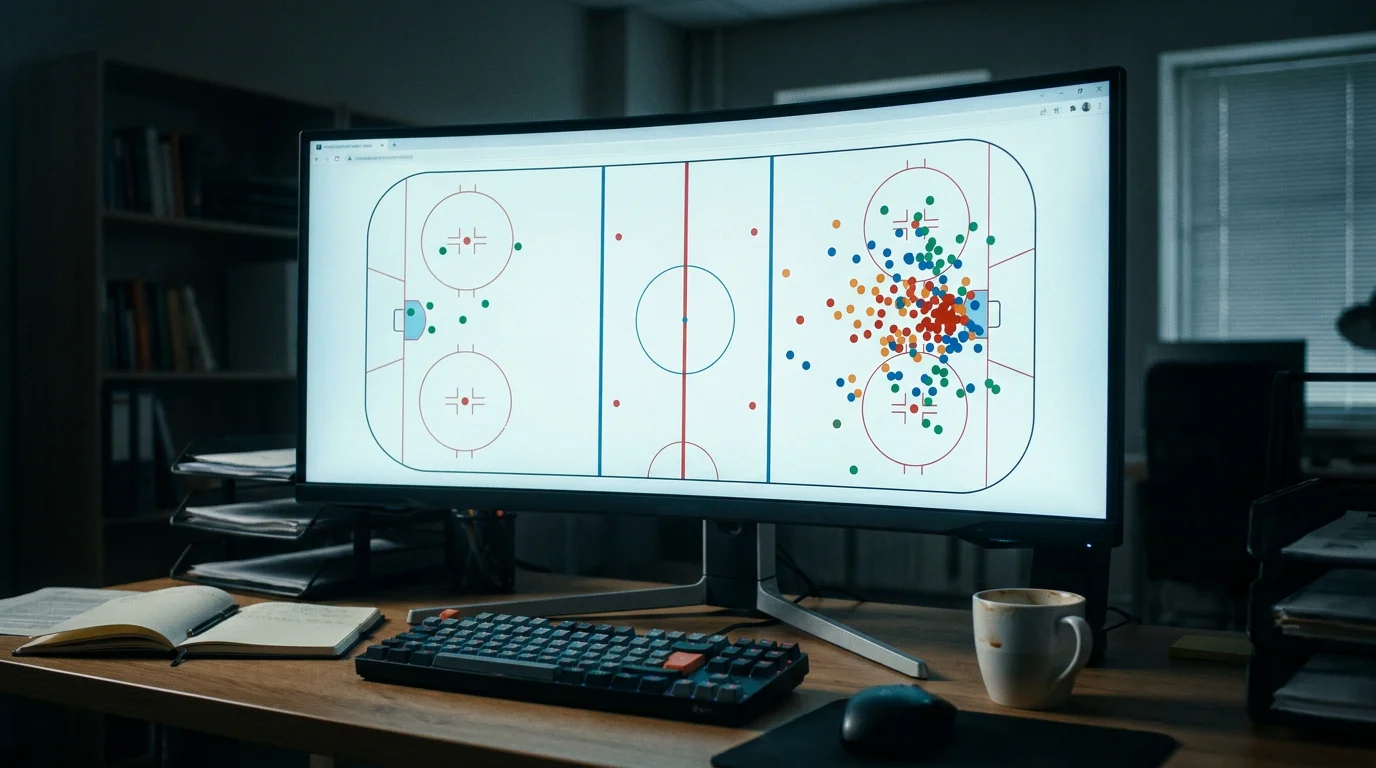
The second factor is shooting volume in the first period. Some players are aggressive early — they fire pucks at the net from the first shift, testing the goaltender before he settles into the game. Others are playmakers who look to pass first and shoot later. For first goalscorer purposes, you want the shooters. I track first-period shots on goal per player as a rolling average across the last ten games. Players who generate three or more shots in the first period are overrepresented among first goalscorers relative to their overall goal totals.
The third factor is the opposing goaltender’s early-game vulnerability. Some goaltenders are notoriously slow starters — their save percentages in the first ten minutes of games are significantly lower than their overall numbers. Pairing a high-volume first-period shooter against a goaltender with a history of early-game softness is the ideal first goalscorer setup. Cross-reference these factors with NHL player prop analysis for a more complete picture of individual player markets.
Power play deployment in the first period is a bonus factor. If you expect one team to draw an early penalty — perhaps because the opponent is an undisciplined side that takes penalties in bunches — the players on the first power play unit get an additional scoring opportunity. A top power-play trigger man who also starts the game at even strength is effectively getting two bites at the first-goal apple.
A Worked First Goalscorer Bet Example
Let me walk through how I would approach a specific game to illustrate the process. Suppose a Western Conference matchup features a team whose first-line left winger has scored 28 goals on the season, averages 3.4 shots per game with 1.8 of those coming in the first period, and has opened the scoring in six of his last forty games — a first-goal rate of 15%. The opposing goaltender has a .901 save percentage in the first ten minutes of games over the last month, well below his season average of .917.
The sportsbook prices this winger at 12.00 to score first. That implies a probability of roughly 8.3%. My model, based on his first-period shot volume, his opening-shift deployment, and the opposing goalie’s early-game vulnerability, puts his probability closer to 12%. The gap between 8.3% and 12% is a meaningful edge — not enough to bet recklessly, but enough to justify a stake within your bankroll framework.
Now compare that to a centre on the same team who has scored 35 goals on the season but generates most of his offence in the second and third periods. His first-period shot volume is half the winger’s, and he is not on the ice for the opening faceoff because his line starts on the bench. The book prices him at 10.00 — shorter odds despite a lower first-goal probability. The market is pricing his overall goal-scoring ability rather than his specific first-goal profile. That mispricing is where disciplined first-goalscorer bettors find their edge.

One final point: first goalscorer betting is a long game. You will lose more bets than you win. A 12% strike rate on selections priced at 12.00 yields a theoretical profit of 44% on turnover, but you need a sample of at least fifty bets before that edge becomes statistically visible. Track everything, trust the process, and resist the urge to chase after a losing run.

Goalscorer Betting Questions
Does an empty-net goal count for first goalscorer bets?
Empty-net goals count for most sportsbooks, though it is extremely rare for the first goal of a game to be an empty-netter since goalies are only pulled late in games. Always check your bookmaker’s specific rules, as settlement terms can vary between operators.
Which NHL positions score first goals most often?
Forwards — particularly first-line wingers and centres who take the opening faceoff — score the majority of first goals. Defencemen occasionally open the scoring, usually on early power plays, but the structural advantage of being deployed first makes top-six forwards the most productive position for first goalscorer bets.
