
 Available in US
Content

Most Hockey Betting Losses Come from Avoidable Mistakes
I spent my first two years betting on hockey convinced that I needed a better model. My selections were reasonable, my read on games was solid, but my bankroll kept shrinking. It was not the picks — it was everything around them. Staking too aggressively, chasing losses after a bad night, ignoring line movement, and betting on games I had not researched. The U.S. sportsbook hold averaged 10.15% in 2025, which means the house already takes a meaningful cut of every dollar wagered. You cannot afford to hand them even more through unforced errors.
The uncomfortable truth about hockey betting is that most losses are self-inflicted. Sharp bettors do not have magical insight into the sport — they simply make fewer mistakes than the public. Eliminating the errors I am about to describe will not guarantee profit, but it will stop the bleeding that prevents most bettors from ever reaching profitability.
Seven Mistakes That Cost Hockey Bettors Money
I have catalogued these from a decade of watching my own results and reviewing the habits of bettors who come to me for advice. Every one of these mistakes has cost me real money at some point — and every one is fixable.
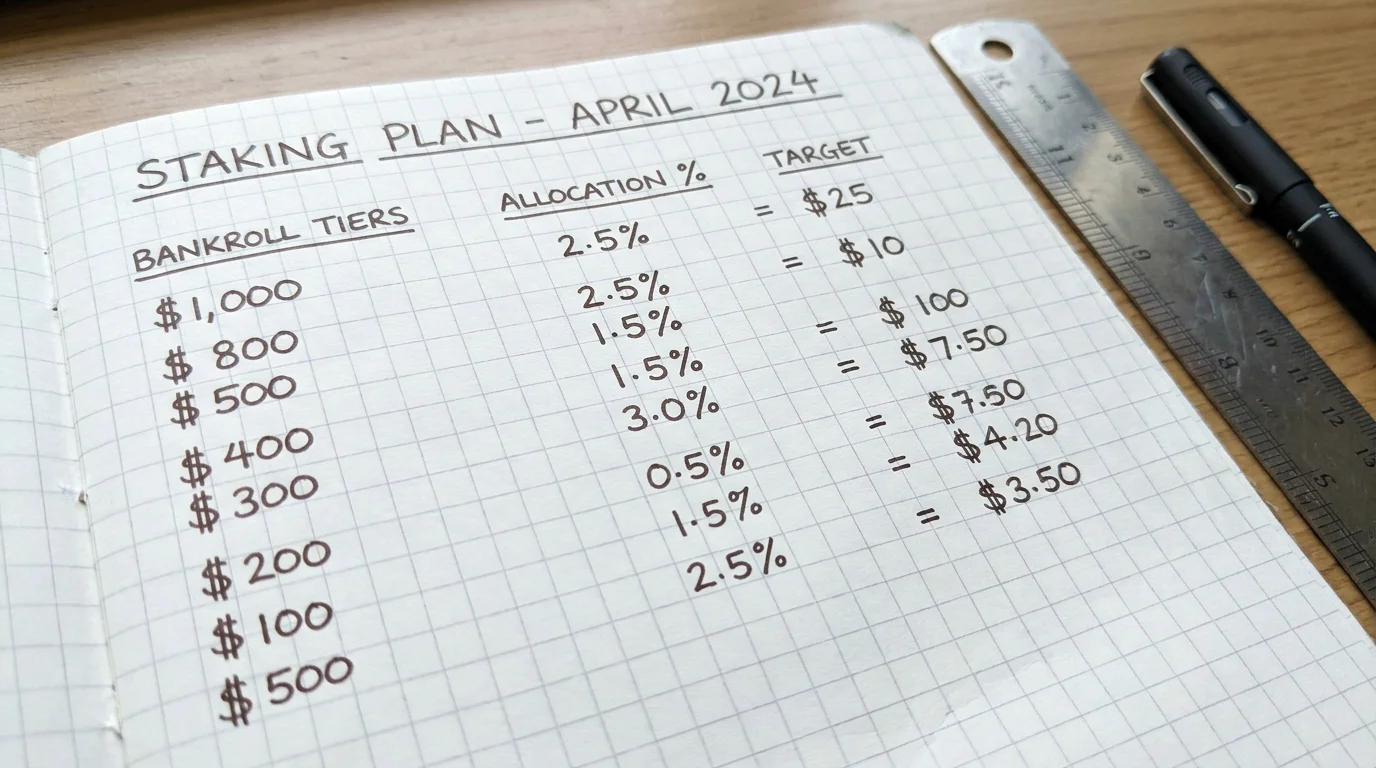
Betting without a staking plan. This is the most common error and the most destructive. If you are sizing bets based on how confident you feel rather than a systematic percentage of your bankroll, you are gambling with your emotions. A flat-stake approach — risking the same amount on every bet, typically 1% to 3% of your total bankroll — removes the temptation to overbet when you are on a hot streak or chase when you are losing. I have seen bettors with winning selection rates go broke because they staked 10% of their bankroll on “locks” that did not lock. Proper bankroll management is not optional — it is the foundation everything else sits on.
Ignoring goaltender confirmations. A team’s moneyline price can shift 15 to 20 cents based on which goaltender starts. Betting a game before the goalie is confirmed is like buying a car without checking the engine. NHL teams announce starters on game day, and the line moves the moment the announcement hits. If you place your bet before that confirmation, you are accepting risk that the market will reprice against you.

Chasing losses with live bets. You lose a pre-game wager, and ten minutes into the next game you fire off a live bet to “get even.” That is not strategy — it is emotional reaction dressed up as analysis. Live markets are fast, the vig is higher, and the information asymmetry favours the book. Chasing losses through live betting is the fastest way to compound a bad night into a catastrophic one.

Overvaluing recent form. A team that won five straight games feels like a safe bet. But NHL underdogs won outright at a 39.1% rate in the 2024-25 season, which means favourites lose nearly two out of every five games. Short winning streaks in hockey are often variance rather than signal. Five-game samples tell you almost nothing about a team’s true quality. Look at twenty-game rolling averages for expected goals, shot share, and save percentage instead — those metrics smooth out the noise.
Betting every game on the board. The NHL offers up to sixteen games on a busy night. Betting eight or ten of them is not analysis — it is action addiction. I cap myself at three selections per night, and many nights I bet zero. The best bettors in the world have a strike rate only marginally above break-even, and they maintain that edge by being ruthlessly selective.
Neglecting line shopping. The price difference on the same game across three or four sportsbooks can be significant — ten to fifteen cents on a moneyline is common. Over a season of betting, those extra cents compound into a material impact on your bottom line. If you are betting at a single operator without checking the market, you are voluntarily accepting a worse price on every wager.

Treating accumulators as a primary strategy. Parlays are fun, and a four-leg winner feels incredible. But the maths is brutal: the bookmaker’s margin compounds with every leg, and the probability of hitting a four-team parlay — even with strong individual selections — drops below 10%. Use accumulators as entertainment with small stakes, not as the engine of your betting strategy.
The Danger of Unlicensed Operators
This mistake sits in its own category because it is not about strategy — it is about safety. The Betting and Gaming Council has raised the alarm: H2 Gambling Capital forecasts that stakes with illegal operators will rise from 17 billion pounds in 2025 to more than 33 billion pounds by 2028, meaning almost one in five online betting stakes could end up with the black market within three years if action is not taken.
Unlicensed operators attract bettors with inflated odds, higher deposit bonuses, and fewer restrictions. The trade-off is that you have no regulatory protection if something goes wrong. Withdrawals can be delayed indefinitely. Account balances can be confiscated without explanation. Dispute resolution does not exist because there is no regulator to appeal to. And the responsible gambling tools that licensed operators are required to provide — deposit limits, self-exclusion, reality checks — are entirely absent.
I have heard from bettors who lost significant sums not because their bets lost, but because the unlicensed site they used refused to pay out a winning wager. There is no recourse. The money is gone. Sticking to operators licensed by the UK Gambling Commission is not just a regulatory formality — it is a bankroll protection measure as fundamental as staking discipline.

A Simple Audit to Fix Your Hockey Betting Leaks
Here is a process I run on my own betting every month, and I recommend it to anyone serious about improving their results. It takes thirty minutes and consistently reveals leaks that would otherwise go unnoticed.
Pull your last thirty days of betting history. Every sportsbook provides a transaction log — download it. Sort your bets by category: pre-game moneyline, totals, live bets, player props, accumulators. Calculate your return on investment for each category separately. Most bettors discover that one or two categories are dragging their entire portfolio into the red. When I ran this audit for the first time, I found that my live betting was hemorrhaging money while my pre-game totals were profitable. The fix was obvious: stop live betting.
Next, check your average stake relative to your bankroll. If any single bet exceeded 5% of your bankroll, flag it. If you had multiple bets above that threshold, your staking discipline needs tightening. Look at the timestamps too — are your losing bets clustered late at night? That suggests fatigue-driven decision-making, and the fix is setting a session time limit.
Finally, compare the prices you took against the closing line. The closing line — the final price before the game starts — is the most efficient number the market produces. If you are consistently betting at prices worse than the closer, you are either betting too late or not shopping enough. If you are regularly beating the closing line, your selection process is sound and your leaks are elsewhere.
Run this audit monthly. It is the single most productive thirty minutes you can spend on your betting.

Hockey Betting Mistakes Questions
What is the most common mistake new hockey bettors make?
Betting without a staking plan is the most widespread and damaging error. New bettors tend to size their wagers based on confidence or emotion rather than a systematic percentage of their bankroll, which leads to overexposure on individual bets and accelerated losses during inevitable losing streaks.
How do I know if a hockey betting site is legitimate in the UK?
Check for a licence from the UK Gambling Commission. Every licensed operator must display its licence number on its website, and you can verify it on the UKGC’s public register. Licensed sites are required to offer responsible gambling tools, segregate customer funds, and submit to regulatory oversight — protections that unlicensed operators do not provide.
