
 Available in US
Content
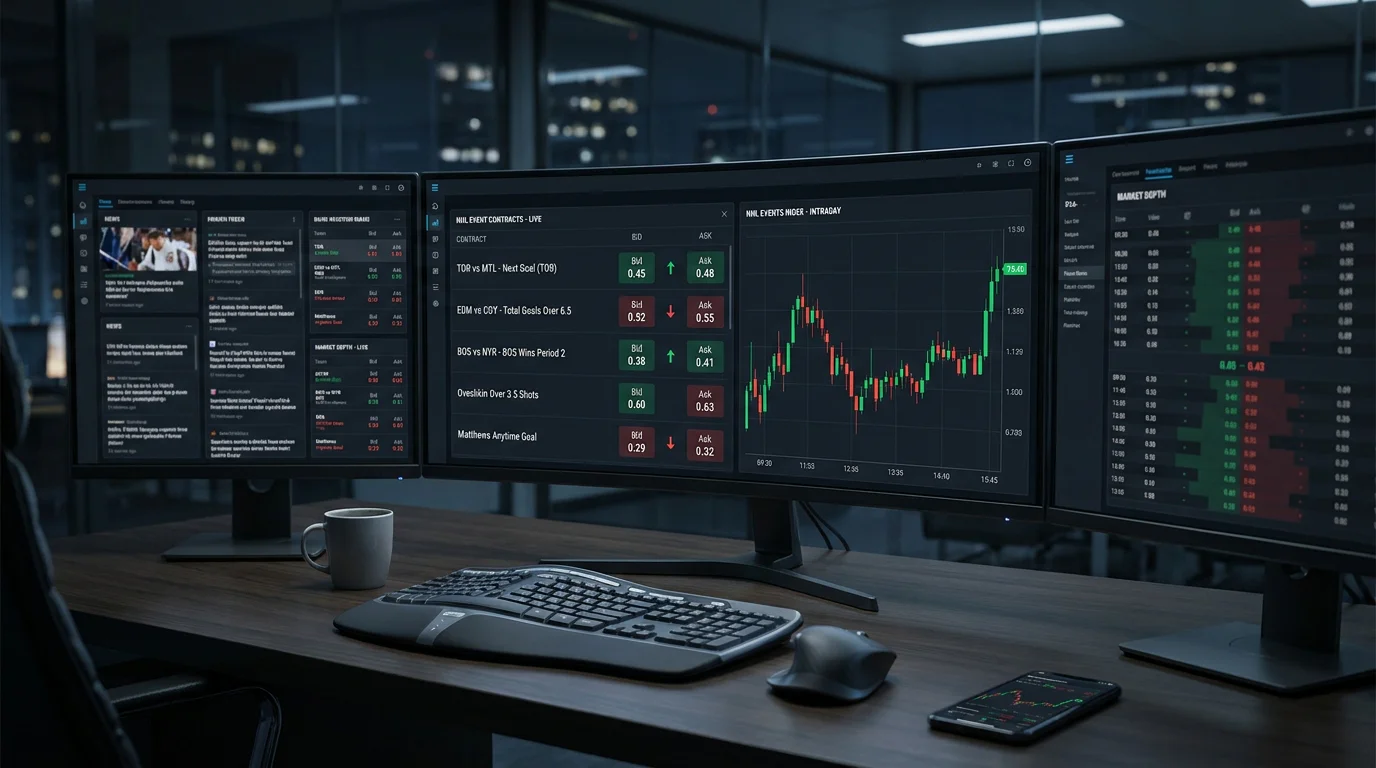
The NHL Became the First Major League to Partner with Prediction Markets
When the news broke in October 2025, I had to read the headline twice. The NHL – a league that had spent years cautiously approaching sports betting – had signed partnerships with both Kalshi and Polymarket, making it the first major U.S. professional sports league to officially align with prediction market platforms. The move signalled a fundamental shift in how the league views fan engagement and wagering. In October 2025, the NHL partnered with prediction market platforms Kalshi and Polymarket, stepping into territory no other major league had touched. That willingness to experiment is reshaping how hockey fans interact with the sport and creating new avenues for informed bettors to express their views.

How Prediction Markets Differ from Traditional Sportsbooks
I spent two months trading NHL event contracts alongside my traditional sportsbook betting to understand the differences firsthand. The distinction is more profound than most people realise.
A traditional sportsbook sets the odds and takes the other side of your bet. The bookmaker is your counterparty. They have a built-in margin (the overround), and their goal is to profit regardless of the outcome. You are essentially trading against the house. A prediction market, by contrast, is an exchange. You buy and sell contracts – priced between $0 and $1 – that pay out $1 if the event occurs and $0 if it does not. Your counterparty is another participant in the market, not the platform itself. The platform takes a small commission on each transaction, similar to a stock exchange.
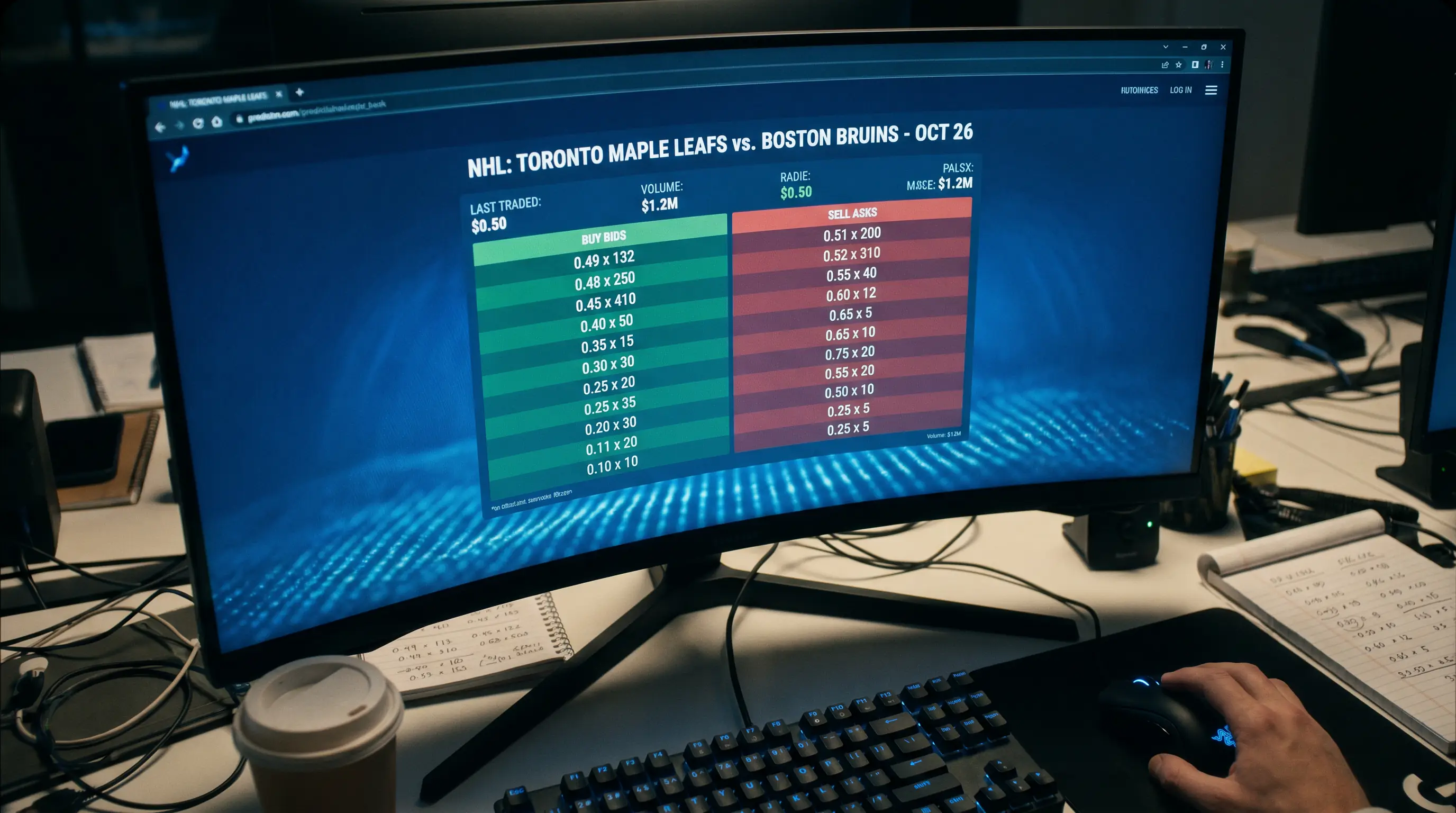
The practical difference for bettors is transparency. On a sportsbook, the odds are set by the bookmaker and you accept them or pass. On a prediction market, the price moves in real time based on supply and demand. If you think a contract priced at $0.35 (implying 35% probability) should be $0.45, you buy it. If enough people agree with you, the price rises. If the consensus moves against you, the price falls and you can sell at a loss or hold to settlement. This dynamic pricing creates opportunities for traders who can assess probabilities more accurately than the market consensus.
One key difference I noticed in practice: prediction markets tend to be more efficient at incorporating new information because they operate continuously with real-time order books. A traditional sportsbook might take 30 minutes to adjust a line after a major injury announcement. A prediction market can reprice in seconds as participants react. For sophisticated bettors, this speed is both a challenge (less time to exploit stale prices) and an advantage (more accurate real-time probabilities to cross-reference against sportsbook lines).
The Kalshi and Polymarket Partnerships
The NHL did not partner with one prediction market – it partnered with two, each operating under a different regulatory framework. The NHL and CFTC signed a memorandum of understanding for two-way information sharing in May 2026, which formalised the league’s commitment to data transparency with the regulatory body overseeing these markets.
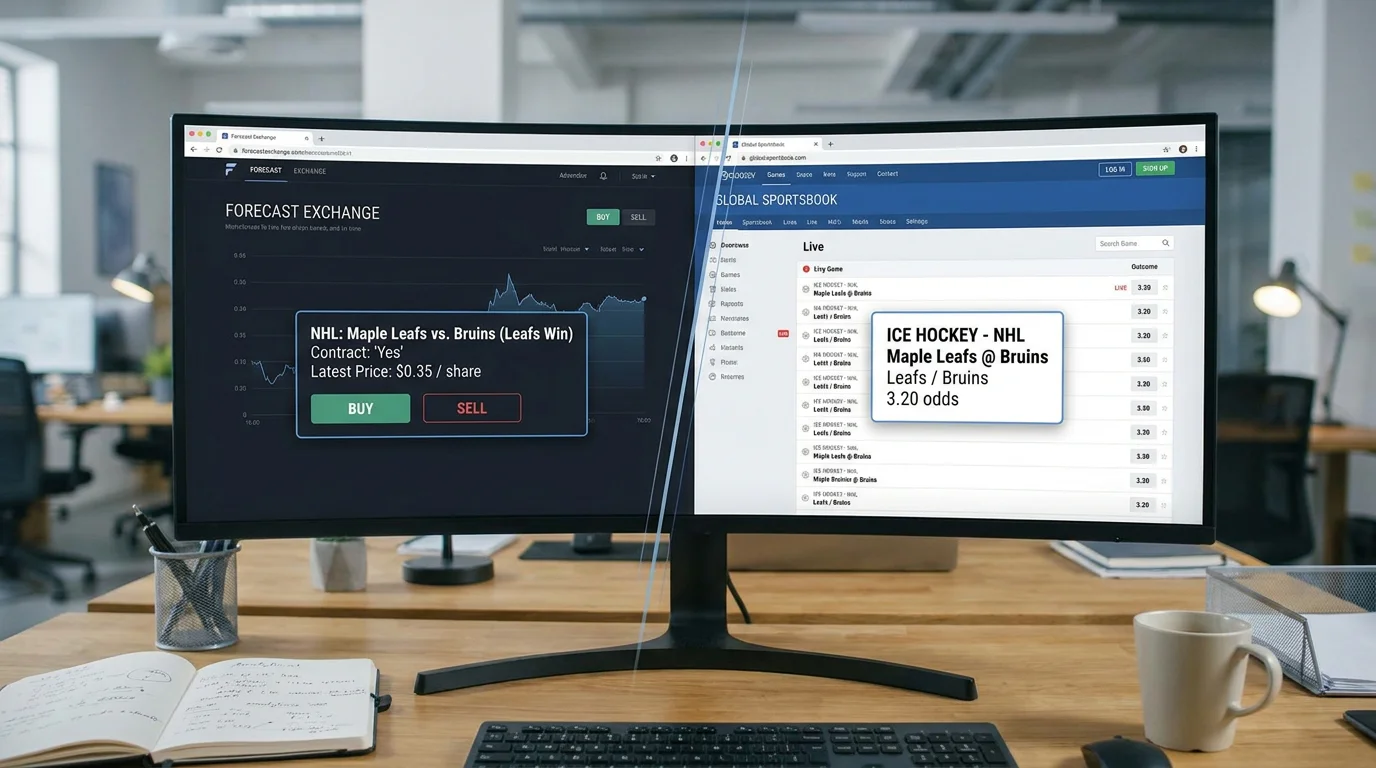
Kalshi operates as a CFTC-regulated exchange, meaning its event contracts are considered derivatives under U.S. law. The platform offers NHL-specific contracts on outcomes like “Will Team X win the Stanley Cup?” or “Will the total goals in tonight’s game be over 6.5?” These contracts settle at $1 or $0, and the price fluctuates between those bounds based on market activity. Keith Wachtel, the NHL’s Business President, framed the partnerships as providing a tremendous opportunity for the broadest fan engagement during the NHL season. That language – “broadest fan engagement” – signals the league sees prediction markets as a growth vehicle that complements rather than competes with traditional sportsbooks.
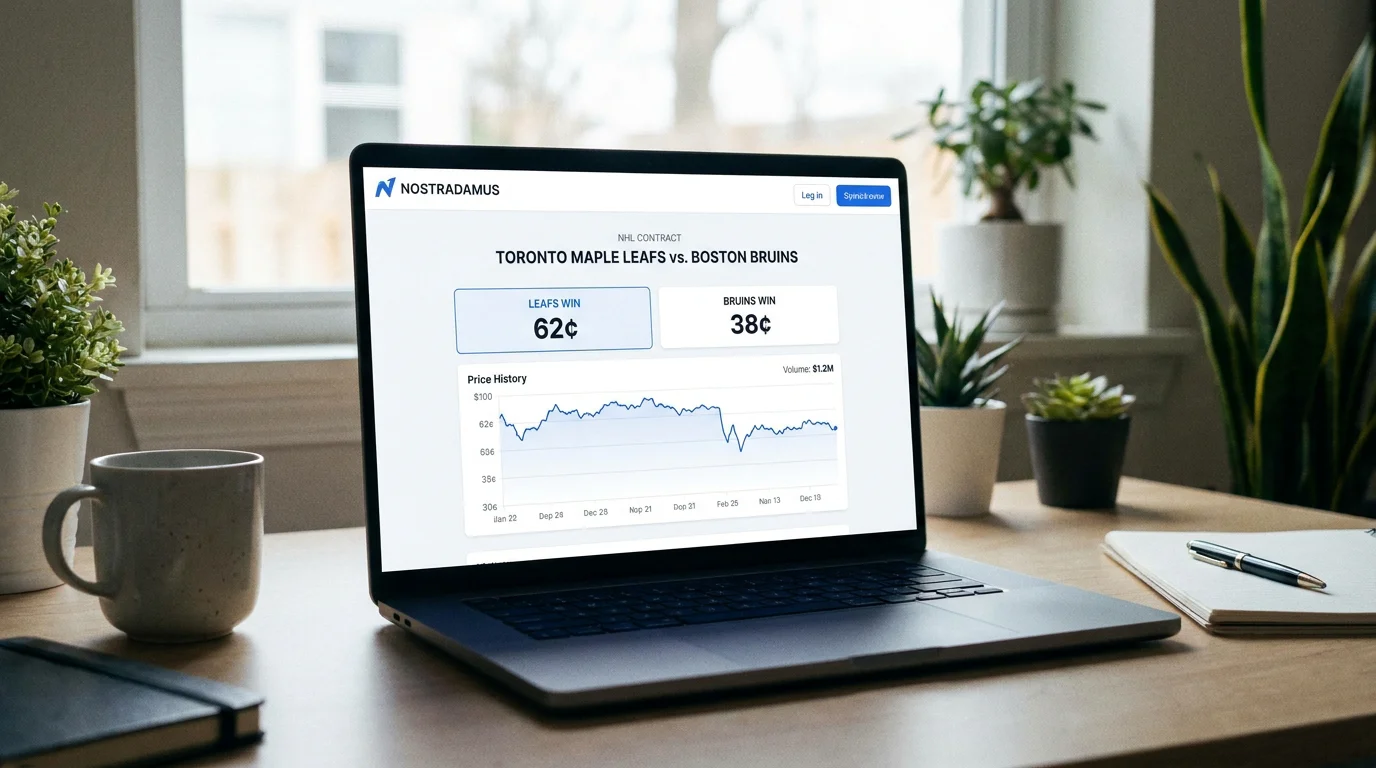
Polymarket operates on a blockchain-based platform with a different regulatory posture. Its NHL event contracts function similarly – binary outcomes, prices between $0 and $1 – but the settlement and custody mechanisms differ. For hockey bettors, the practical difference between the two platforms is liquidity. Kalshi tends to have more volume on individual game markets, while Polymarket has attracted more activity on longer-term futures and novelty markets.
The partnership structure gives the NHL something no other league has: a direct data-sharing relationship with prediction market platforms. This means the league can monitor market activity for anomalies, cross-reference unusual price movements with on-ice events, and strengthen its integrity framework by adding another layer of surveillance.
Can UK Punters Access NHL Prediction Markets?
This is the question I get most from UK-based hockey bettors, and the answer is complicated. Kalshi is a U.S.-regulated platform that currently restricts access to users with verified U.S. identities. UK residents cannot legally trade on Kalshi. Polymarket’s access is broader in theory, but UK regulatory requirements for gambling and financial products create a grey area that most cautious bettors should avoid.
The practical impact for UK punters is indirect rather than direct. You may not be able to trade on these platforms, but you can use the pricing data they generate. Prediction market prices are publicly visible and update in real time. If a Stanley Cup futures contract on Kalshi prices a team at $0.12 (12% implied probability) while your UK sportsbook prices the same team at 11.00 (9.1% implied probability), the prediction market is telling you the sportsbook may be too long on that team. This cross-referencing adds a valuable data point to your analysis without requiring you to trade on the prediction market itself.

The regulatory landscape is evolving. The UK Gambling Commission and the FCA (Financial Conduct Authority) are both monitoring the prediction market space, and it is plausible that UK-accessible prediction markets for sports outcomes will emerge within the next few years. For now, the smartest move for UK bettors is to treat prediction market data as a supplementary analytical tool rather than a direct trading opportunity.
In practice, I check prediction market pricing before every futures bet I place. The exercise takes less than two minutes and occasionally reveals significant divergences between the prediction market consensus and my sportsbook’s price. When those divergences favour the sportsbook – meaning the sportsbook offers a longer price than the prediction market implies – I have an additional signal that supports the bet. When the divergence goes the other way, I pause and re-examine my thesis before committing. This cross-validation layer has saved me from several positions where my initial analysis was overconfident. The connection to betting integrity and regulation is direct – prediction markets operate under financial rather than gambling regulation, and the oversight framework shapes both the data quality and the legitimacy of the prices they produce.

NHL Prediction Market Questions
What is the difference between an NHL prediction market and a sportsbook?
A sportsbook sets the odds and acts as your counterparty, profiting through built-in margins. A prediction market is an exchange where participants buy and sell event contracts priced between $0 and $1, with the price determined by supply and demand. The platform earns a commission on trades rather than a margin on odds. Prediction markets tend to reprice faster in response to new information.
Are prediction markets legal for UK residents?
UK residents cannot currently access Kalshi, which is restricted to verified U.S. users. Access to blockchain-based platforms like Polymarket is technically broader but falls into a regulatory grey area under UK gambling and financial conduct rules. UK bettors can still benefit from prediction market data by using publicly visible contract prices as a cross-reference for their sportsbook analysis.
