
 Available in US
Content

The Trade Deadline Is the Sharpest Inflection Point in an NHL Betting Season
I still remember the 2024 deadline day when a contender acquired a top-six forward in a deal that leaked twenty minutes before the official announcement. By the time the trade was confirmed, the team’s Stanley Cup futures had already shortened by 15%. If you were not watching, you missed it. If you were, you had one of the best value windows of the entire season.
The NHL trade deadline sits in early March, roughly two-thirds through the regular season, and it functions as a hard reset on the betting landscape. Contenders load up, sellers strip down, and the cap structure — set at $95.5 million for 2025-26 with projected rises to $104 million in 2026-27 and $113.5 million in 2027-28 — dictates how aggressive each front office can be. For bettors, the deadline is not just news to consume. It is a repricing event where the sharpest operators find their best opportunities of the year.
The key is speed. Markets adjust fast, but not instantly. That gap between a trade breaking and the line fully correcting is where real money changes hands.
How Futures and Game Lines React to Deadline Trades
Last season, I tracked futures movement on twelve teams that made significant deadline acquisitions. The average Cup odds shift happened within four hours of the trade announcement, but the full market correction — reflecting the acquired player’s actual impact on the roster — took closer to a week. That lag is not a flaw in the market. It is a feature, because sportsbooks move on perception first and data second.
Futures are the most obviously affected market. A team that adds a proven scorer or a shutdown defenceman sees its Cup price compress immediately. But the correction often overshoots — the market gets excited about the name on the jersey without calculating the actual on-ice impact relative to the player being replaced. In a league generating between $7.5 billion and $8 billion in annual revenue, the hype cycle around deadline deals is massive, and sportsbooks ride that wave of public money.
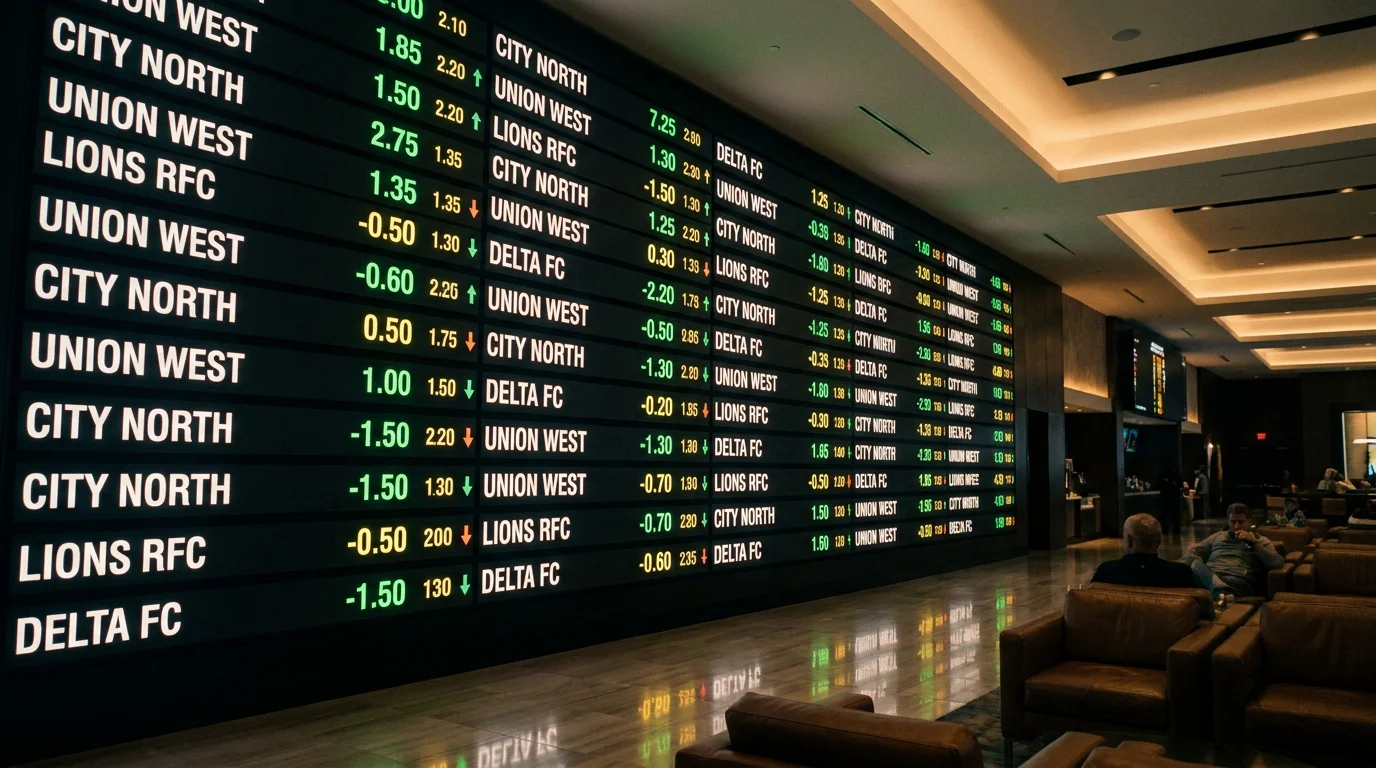
Game lines react differently. If a newly acquired player slots in for that evening’s game, the line might shift a few cents on the moneyline. But integration takes time — new systems, new linemates, new defensive zone coverage. The on-ice product in the first two or three games after a major acquisition is often worse than what the team was producing before the deal, because chemistry does not form overnight. Betting the “new look” roster on the first night is usually a losing proposition. Fading that excitement tends to be the sharper play.
Totals react subtly too. A team adding offensive firepower might see its game totals nudged half a goal higher, but unless the acquisition fundamentally changes the team’s pace of play or goaltending, the over/under shift is often noise rather than signal.
Betting on Buyers vs Sellers Post-Deadline
There is a phenomenon I call the “seller’s slide” that shows up almost every season. Once a team sells off its best assets at the deadline, the remaining roster deflates — not just in talent but in morale. Young players thrust into bigger roles sometimes rise to the occasion, but more often the results crater. The betting market recognises the talent loss but frequently underestimates the psychological collapse.

I have found the most consistent post-deadline edge by fading sellers in the first two weeks after the deadline. The team has lost its identity, the locker room is processing departures, and the coaching staff is running an audition camp for next season rather than optimising for wins. Sportsbooks adjust the line downward, but the adjustment rarely captures the full extent of the decline.
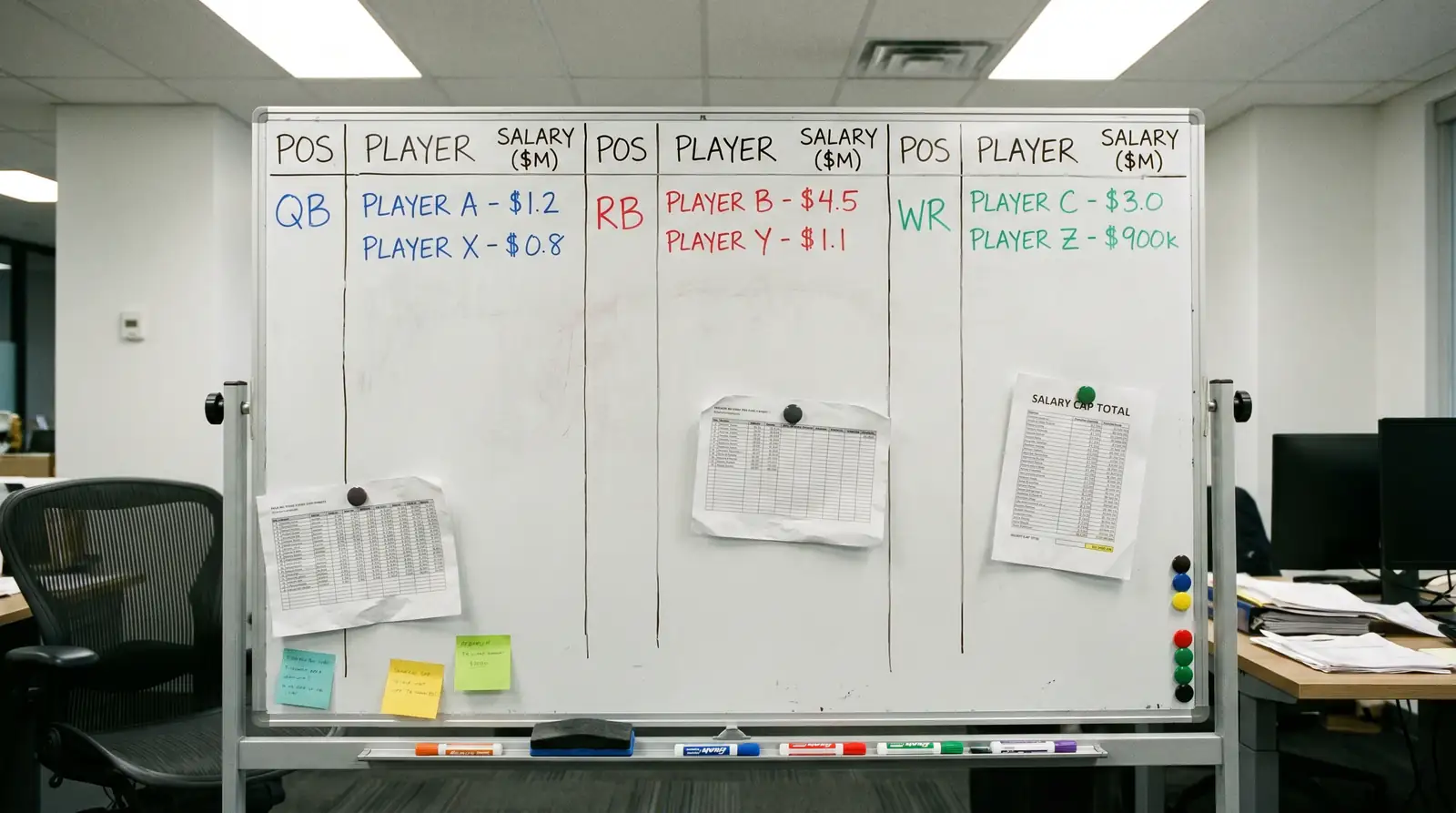
Buyers present a more nuanced situation. The cap implications of deadline acquisitions are worth tracking — a team that has pushed itself to the ceiling with rental players has no flexibility if injuries hit, and the salary cap’s influence on roster construction becomes a direct betting factor. A buyer that stretches its cap to the limit for a rental forward is one injury away from icing an incomplete lineup down the stretch. That fragility does not show up in the odds until it manifests on the ice.
The cleanest approach: rank deadline buyers by the gap between their post-deadline roster quality and their cap flexibility. The teams with the most room to absorb adversity are the ones whose deadline acquisitions will actually translate into sustained improvement.
Pre-Deadline vs Post-Deadline Betting Windows
Most bettors focus exclusively on the deadline itself, but the two weeks before and after the trade cutoff are equally important — and often more profitable. Here is how I split my approach across the three phases.
In the pre-deadline window, rumours drive line movement. A credible reporter linking a top defenceman to a specific contender can move that contender’s futures overnight. I do not bet on rumours directly, but I watch for overreactions. If a team’s Cup odds shorten significantly on a rumour that has not materialised, there is value on the other side — taking a longer price on a rival contender whose odds have drifted without any change in their actual roster.
On deadline day itself, speed matters more than analysis. Trades break in rapid succession, and the first-mover advantage is real. I keep a pre-built framework: for each likely buyer, I have already calculated what different acquisitions would mean for their projected point total and playoff probability. When a deal drops, I check my framework and act within minutes if the line has not caught up. This is not guessing — it is preparation meeting opportunity.

The post-deadline window — the first ten to fourteen days after the cutoff — is where patient bettors clean up. The hysteria fades, the integration period exposes whether an acquisition actually fits, and the market gradually corrects toward reality. I target game lines in this window rather than futures, because the nightly data on line combinations, power play deployment, and even-strength results tells you whether the new pieces are working before the odds fully reflect it.
One additional angle that few bettors consider: the depth moves. Headline trades dominate the coverage, but many contenders also pick up a fourth-line forward or a third-pair defenceman for a late-round pick. These depth additions barely register in futures pricing, yet they shore up the roster against injuries down the stretch. A contender that adds a reliable penalty-killing centre for almost nothing gains a tactical advantage that the market ignores entirely. Tracking the full list of deadline transactions — not just the splashy ones — reveals these hidden improvements and gives you a more accurate picture of each roster’s true post-deadline strength.

Trade Deadline Betting Questions
Should I adjust my NHL futures bets after the trade deadline?
It depends on the magnitude of the moves. If a team you hold a futures ticket on makes a significant addition, your existing bet has gained value. If they sell key players, consider hedging. Always reassess your futures portfolio within the first week after the deadline using updated roster projections rather than emotional reactions.
Do buyer teams immediately improve their record after deadline acquisitions?
Not always. Integration takes time — new systems, new linemates, and new defensive assignments create a short-term adjustment period. Historically, many buyer teams see a brief dip in performance in the first three to five games post-deadline before the acquisition starts producing results.
