
 Available in US
Content
NHL Players Return to the Olympics in 2026 — and It Changes Everything
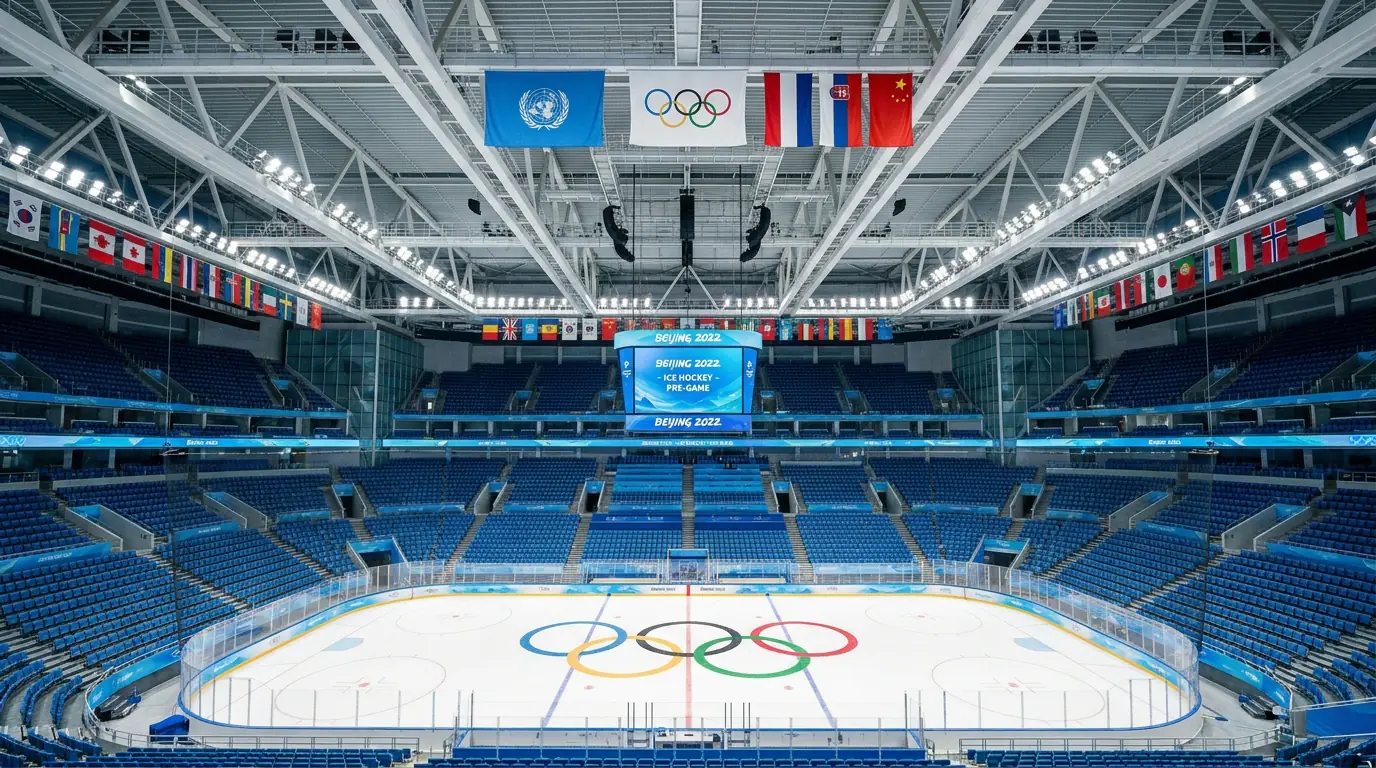
The last time NHL players competed in an Olympic hockey tournament was 2014 in Sochi. Twelve years is a long absence — long enough that an entire generation of fans has never seen Connor McDavid, Auston Matthews, or Cale Makar wear their national colours on an Olympic stage. The 2026 Milano Cortina Winter Olympics ends that drought, and the ripple effects on both the Olympic tournament and the NHL season will be massive.
The NHL’s decision to pause its season for the Olympics is not purely sporting. The league is projecting revenue between $7.5 billion and $8 billion for the 2025-26 season, up from a $7 billion record the year before, and global exposure through the Olympics feeds that growth engine. The NHL sees the Olympics as a marketing platform for the sport itself — a chance to reach audiences in countries where hockey is not the dominant sport and convert casual viewers into long-term fans. For bettors, the tournament creates an entirely separate betting calendar layered on top of the NHL season, plus a set of post-Olympic angles that the market historically underprices.

Olympic Ice Hockey Betting Markets for UK Punters
I have been waiting years for this opportunity. Olympic hockey with NHL players is the highest-quality international tournament in the sport, and the betting markets surrounding it are deeper than most people expect. The global sports betting market was valued at $111.9 billion in 2025 and is forecast to reach $226.2 billion by 2034, with Europe holding 41.3% of that market share. UK bookmakers are well positioned to offer comprehensive Olympic hockey coverage, and the available markets go well beyond picking a gold medal winner.
Tournament outright — picking the gold medal winner — is the marquee market and the one that draws the most public action. Canada, the United States, Sweden, Finland, and Russia (competing as the ROC or under a neutral flag depending on political developments) have historically dominated Olympic hockey, and the odds will reflect that hierarchy. The value play in tournament outrights is identifying a team with a realistic path to the medal round that the public is overlooking — typically a Scandinavian side or a Czech Republic team with a deep NHL-calibre roster.
Group stage match betting is where the analytical edge is sharpest. Olympic group games are round-robin format with three-on-three overtime and shootouts, which means the three-way regulation-time market applies. Teams approach group stage games differently depending on their position — a side that has already clinched advancement may rest key players, while a team fighting for its tournament life will push harder. That differential creates pricing inefficiencies in individual game lines.
Top scorer, top goalkeeper, and team-specific props round out the market. These are niche bets with longer odds and higher variance, but the information advantage for bettors who track NHL player performance is substantial. You already know how these players perform under pressure — the Olympic stage adds intensity, but the underlying skill set is the same one you have been analysing all season.
How the Olympic Break Disrupts the NHL Betting Calendar
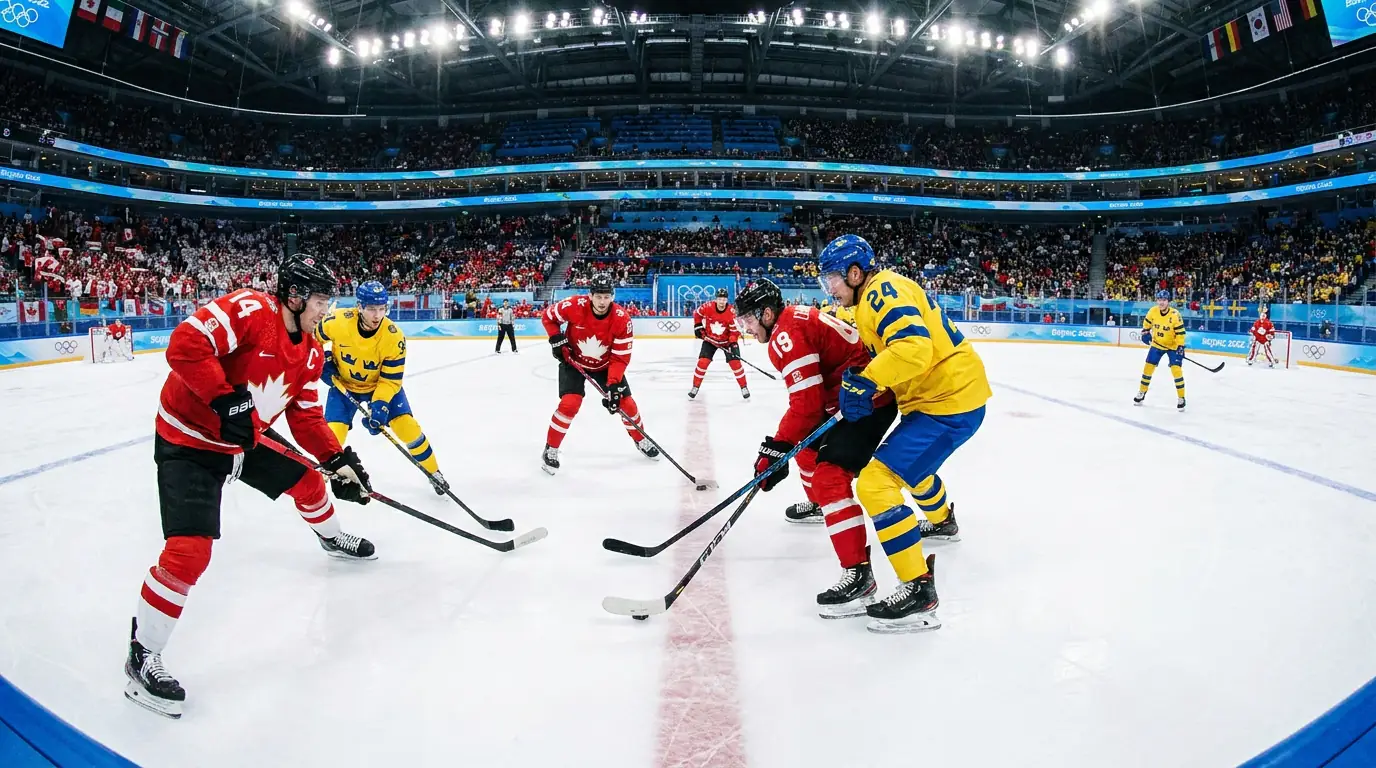
The NHL pauses for approximately two and a half weeks during the Olympics — from early to mid February through early March. That break creates a disruption in the NHL betting calendar that is unlike anything else in the season. It is not a bye week or an All-Star break. It is a full stoppage where players scatter to different countries, play in a high-intensity tournament, and then reconvene with their NHL clubs carrying varying degrees of fatigue, injury, and momentum shift.
For NHL futures bettors, the Olympic break introduces uncertainty that the market does not price cleanly. A team’s key players might return from the Olympics exhausted after playing six or seven intense games in two weeks. Alternatively, players from countries eliminated early return fresh and rested, having played only two or three Olympic games. The post-Olympic rosters are not the same as the pre-Olympic rosters in terms of readiness, and that asymmetry takes the market a week or two to fully digest.
Schedule compression around the Olympic break also matters. The NHL has to fit the same number of games into fewer weeks, which means the schedule before and after the break is denser than normal. Teams with difficult pre-Olympic schedules may enter the break already fatigued, and the Olympic tournament adds to that load for their best players. Teams with lighter pre-Olympic schedules and fewer Olympic participants face the post-break stretch in better condition. Mapping the schedule around the Olympic window is a straightforward analytical task that yields genuine betting insight.
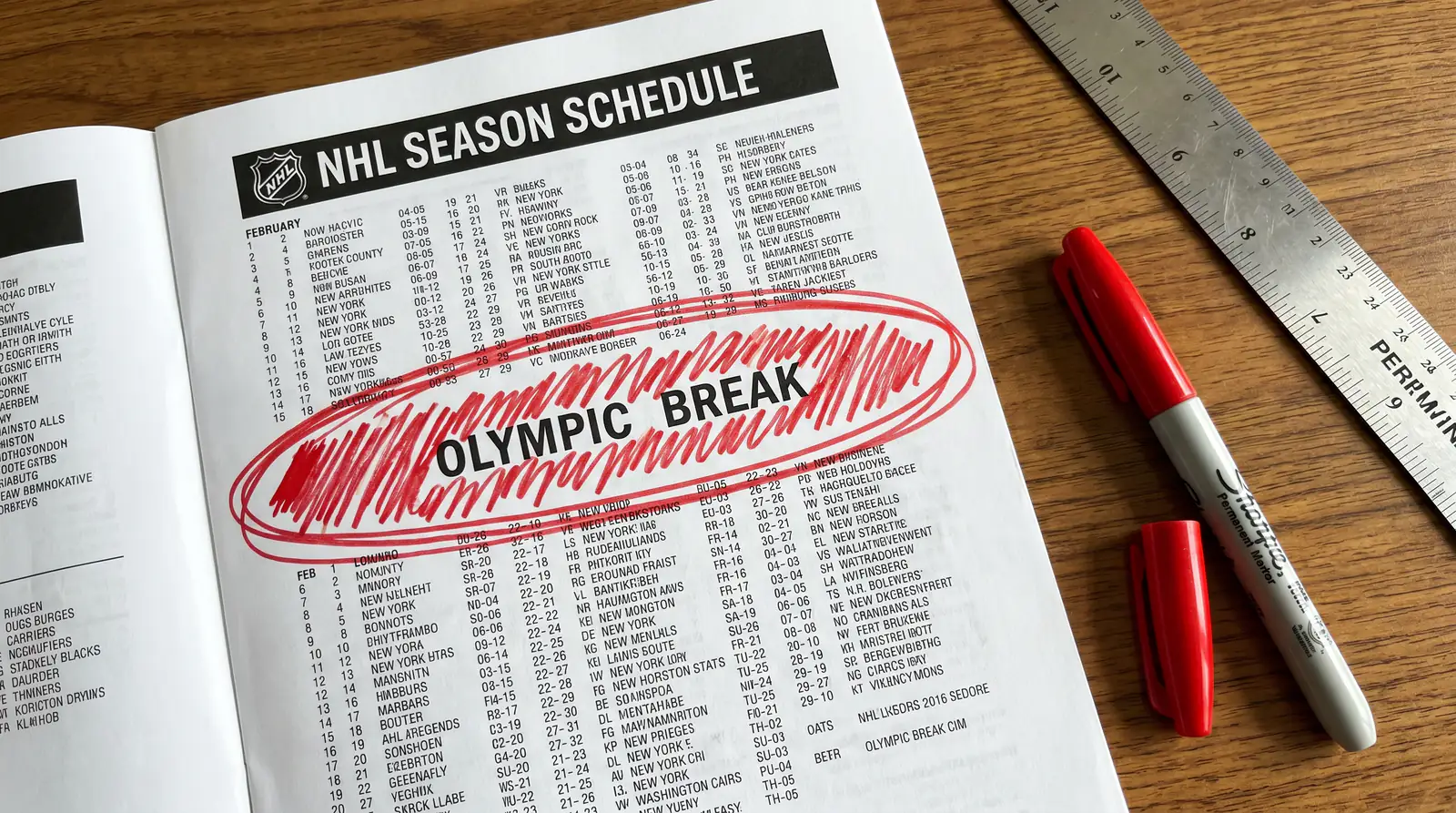
The break also freezes roster transactions. No trades, no waiver claims, no call-ups during the Olympic window. Teams that were trending upward before the break may lose momentum. Teams that were struggling get a natural reset. The narrative coming out of the break rarely matches the narrative going in, and betting the post-Olympic market requires fresh analysis rather than pre-break assumptions.

Post-Olympics NHL Betting: Fatigue, Injury, and Momentum
Gary Bettman has framed the NHL’s trajectory in expansive terms — every platform, every source of revenue growing, with even better prospects once new media deals kick in. The Olympics are part of that growth strategy, but for bettors, the post-Olympic return to NHL action is where the sharpest edges appear.
Fatigue is the most obvious factor. Players who represented their countries in deep Olympic runs — semifinal or medal-round participants — played high-intensity hockey on an international-size ice surface, which demands more skating than the narrower NHL rink. Those players return to their NHL teams physically depleted, and the first week or two of post-Olympic play often features measurable performance dips for the most heavily-used Olympic participants. I track ice time by player during the Olympics and cross-reference it with their NHL performance in the ten games immediately following the break. The pattern is consistent: high-minute Olympic players underperform their season averages.

Injury risk elevates during the Olympics because the tournament is played at peak intensity with shorter recovery windows between games. An NHL star who picks up a lower-body injury in an Olympic semifinal may return to his club at less than full capacity — or may miss time entirely. The market is slow to price confirmed post-Olympic injuries because the information environment is muddier than during the NHL regular season. Teams are not required to provide detailed injury updates during the Olympic window, and some clubs downplay the severity of issues until they become obvious on the ice.
Momentum is the least quantifiable factor but the most interesting. Some players return from the Olympics energised — riding the high of a medal or a personal-best tournament — and carry that confidence into their NHL performance. Others return deflated after an early elimination, particularly players from countries with high expectations who fall short. The psychological carryover is real, and while it is difficult to model precisely, tracking which players had positive Olympic experiences versus disappointing ones provides a qualitative overlay that sharpens your post-break analysis.
The first two weeks after the Olympic break represent a window where the market is recalibrating and the information advantage belongs to bettors who did their homework during the tournament. If you tracked Olympic ice times, noted injuries, observed which teams eliminated early versus late, and mapped that data back onto the NHL schedule, you are operating with better information than the line implies. That is the definition of edge — and it appears only once every four years.
Olympics Hockey Betting Questions
Can I bet on the 2026 Winter Olympics hockey tournament in the UK?
Yes. UK-licensed bookmakers offer comprehensive markets on Olympic ice hockey, including tournament outrights, group stage match betting, top scorer props, and team-specific specials. The tournament features NHL-calibre rosters for the first time since 2014, making it one of the highest-profile betting events of the winter.
How does the Olympic break affect NHL futures odds?
The Olympic break introduces uncertainty into NHL futures markets because key players return at varying fitness levels depending on their Olympic workload. Teams with multiple players in deep medal-round runs often see their futures odds drift slightly during the break, while teams with fewer Olympic participants or early-eliminated players may shorten. The market typically takes one to two weeks after the break to fully recalibrate.
