
 Available in US
Content
Back-to-Backs Are the Scheduling Edge Casual Bettors Overlook
I once watched a friend load up a three-leg accumulator without checking a single team’s schedule. Two of his picks were playing the second half of back-to-back sets, and both lost by multiple goals. He blamed bad luck. I blamed laziness — because schedule context is the single easiest edge to find in hockey betting, and most people never bother looking.
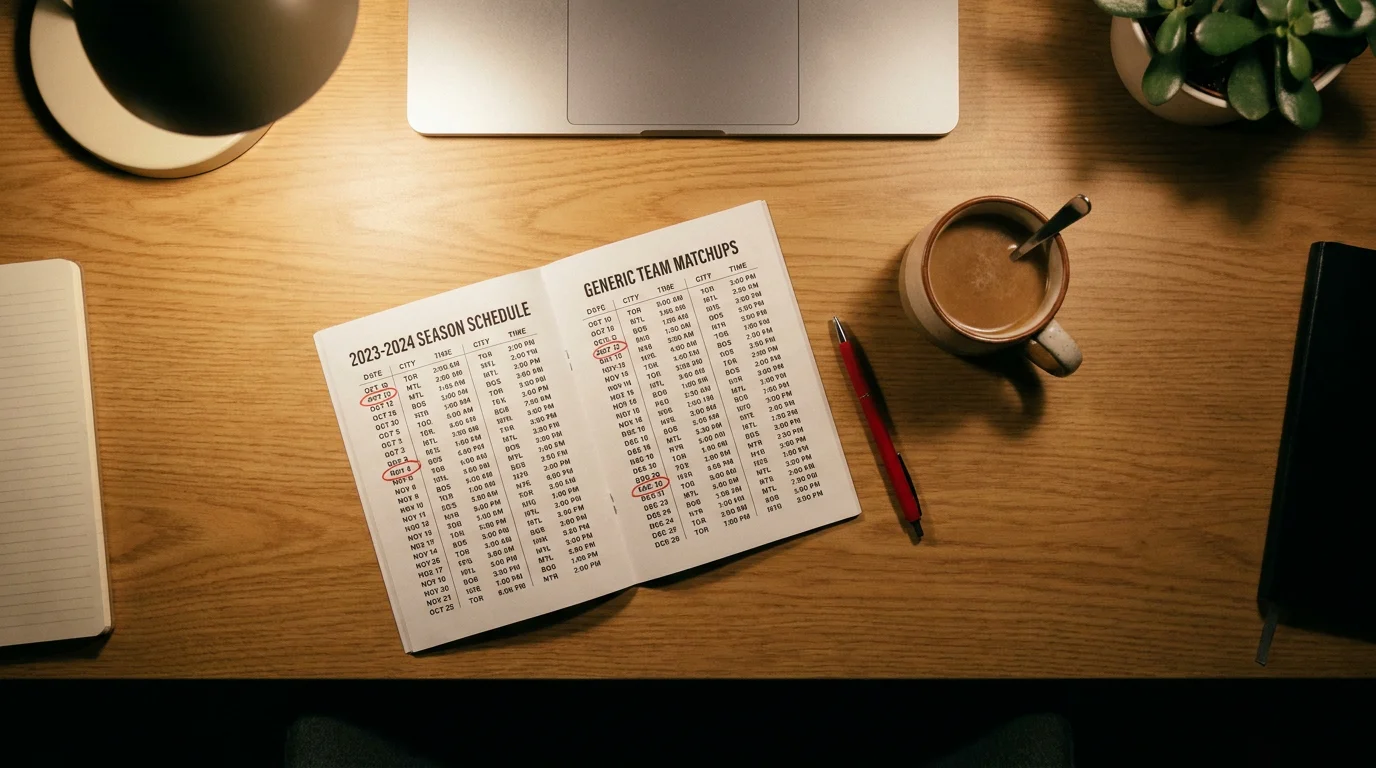
The NHL crammed 82 games into roughly 180 calendar days during the 2024-25 season, a campaign that drew over 23 million fans through arena turnstiles. That density means teams regularly play on consecutive nights, sometimes in different cities. The physical toll is real and measurable, yet the betting market only partially accounts for it. If you spend ten minutes checking schedule data before placing a wager, you are already ahead of the majority.
Back-to-back sets are not hidden information — every team’s schedule is public months in advance. The edge comes from actually using it while others scroll past.
How Back-to-Backs Affect NHL Performance
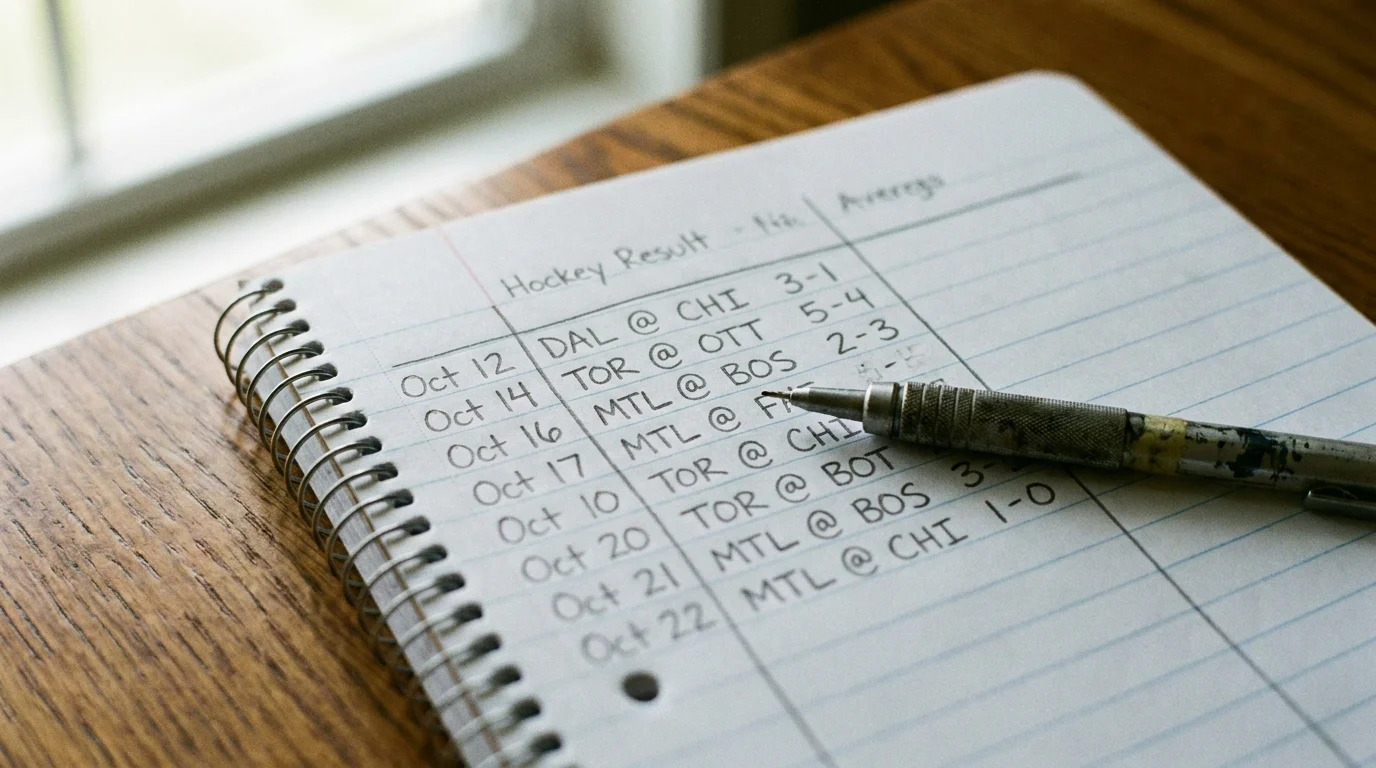
A few seasons ago, I started logging the results of every back-to-back second game across the league. The pattern was impossible to ignore: teams playing the second night of a back-to-back consistently underperformed their season averages in goals scored, shots generated, and expected-goals share. The drop is not dramatic on any single night, but compounded across a full season of tracking, it creates a reliable lean.
The reasons are straightforward. Players log anywhere from 15 to 25 minutes of ice time per game. Doing that again less than 24 hours later — often after a flight or a bus ride — produces measurable fatigue. Skating speed dips, reaction times slow, and puck battles become sloppier. Arenas operating at 96% capacity create hostile environments that compound that tiredness for the visiting club. A fatigued team walking into a packed building is fighting two opponents: the home side and its own legs.

Defensive structure tends to break down first. Tired defencemen take wider gaps, forwards backcheck a half-stride slower, and goalies face higher-danger shots because the team in front of them can’t sustain positional discipline for sixty minutes. That is why you often see the scoring damage concentrated in the third period of back-to-back second games — the tank runs empty.
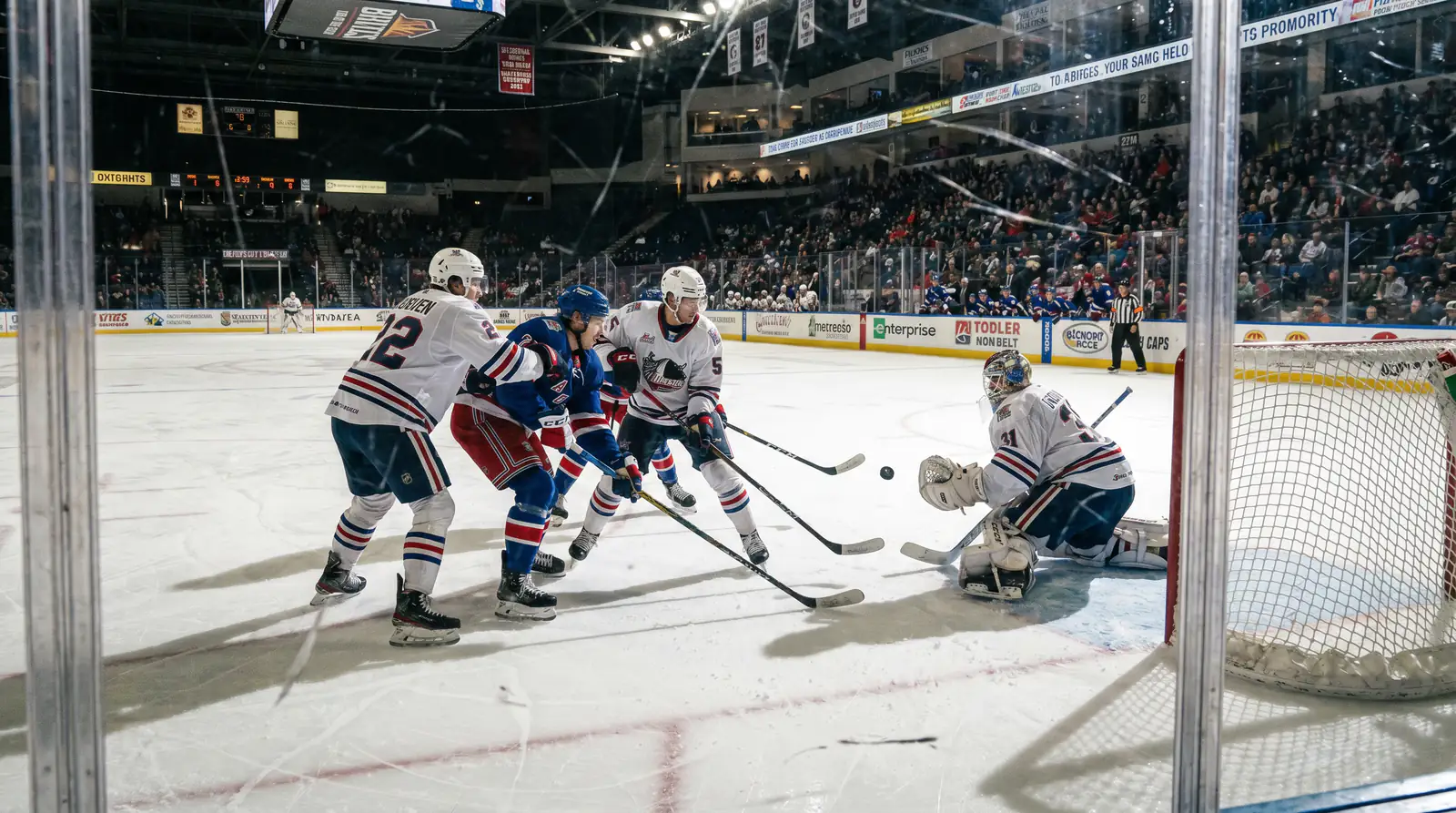
Special teams suffer disproportionately on the second night too. The power play demands quick puck movement and sharp passing — exactly the skills that degrade under fatigue. Penalty kill units rely on sustained effort and positioning, and tired killers leave wider passing lanes through the box. If a team already runs a below-average penalty kill, that unit’s performance on the second night of a back-to-back drops further. The same logic applies to faceoff win rates, which dip when centres are operating on depleted energy reserves.
Travel distance matters too. A team flying coast-to-coast overnight and playing the next evening suffers more than a club driving ninety minutes to a divisional rival. Some back-to-backs are created equal on the schedule, but not in reality. Checking the travel log adds another layer of precision.
Goalie Rotation on Back-to-Backs: The Betting Signal
I learned this lesson the hard way early in my career: I backed a team solely because their record looked strong, only to discover thirty minutes before puck drop that their backup goalie was starting. The line had already moved, and my value was gone. Goalie deployment on back-to-backs is one of the most predictable roster decisions in hockey — and one of the most profitable to anticipate.
Most NHL coaches split their goaltending workload on back-to-back nights. The starter plays the first game, and the backup gets the second. This is not universal — elite goaltenders occasionally play both — but it happens often enough that you can model it with reasonable confidence. The gap in quality between a starting goaltender and his backup can be enormous. A team’s starter might carry a .920 save percentage while the backup sits at .900. That 20-point gap translates directly into expected goals against, and the betting line does not always adjust fully for the confirmed starter.
The practical play is to watch for goalie confirmations. NHL teams announce starters on game day, sometimes as late as morning skate. If you see a backup confirmed for the second night of a back-to-back, compare the adjusted line against where it opened. If the market has not moved enough to reflect the downgrade, you have a window. This approach connects directly to the broader principle of understanding goalie impact on betting lines — the netminder is the single most influential player on any NHL result.
Teams that carry a true 1A/1B tandem — two goalies of comparable quality — are less exploitable in back-to-back spots. Those are the sets you skip. The value lives in the teams with a clear starter-backup hierarchy.
Fading the Tired Team: Practical Approach
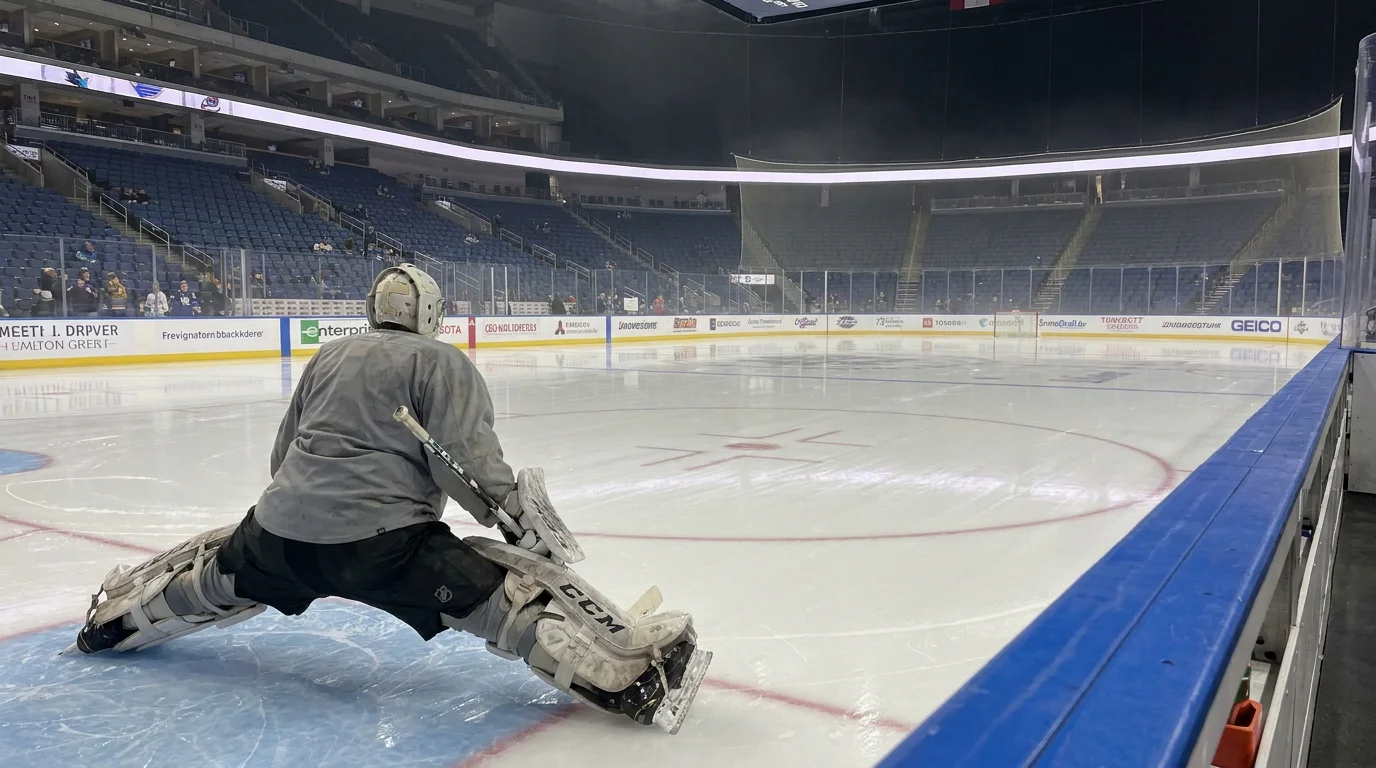
Here is exactly how I approach back-to-back games when I am building my card for the night. First, I pull the schedule and identify every team playing the second half of a back-to-back. Then I check three things: travel distance since the first game, confirmed goaltender, and the opponent’s rest advantage. If the tired team travelled long, is starting a backup, and faces a rested opponent at home, that is the strongest fade spot in the schedule.
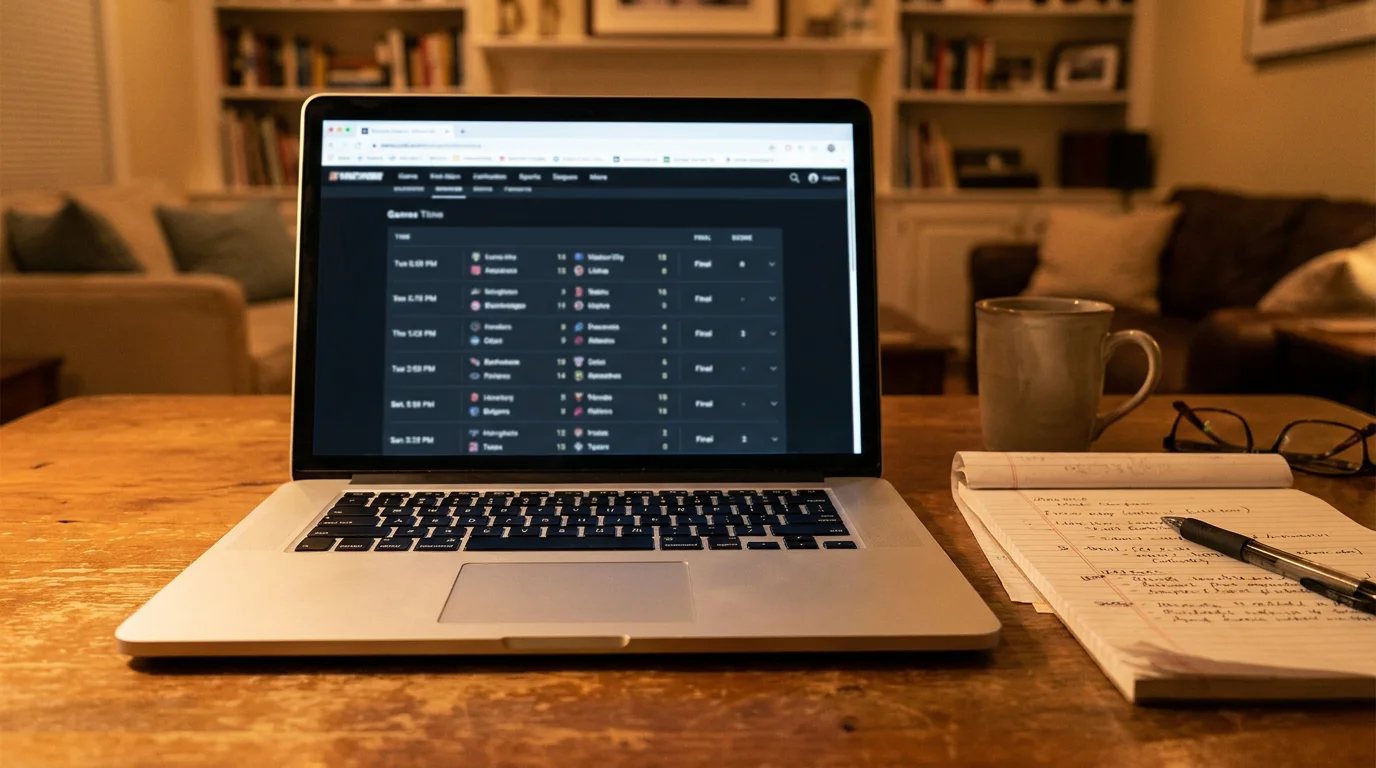
I do not blindly bet against every team on the second night. Context matters. A rested backup at home against a tired divisional rival on a short hop is different from a backup on the road after a cross-country flight. The more factors that stack against the fatigued side, the stronger the lean. I also check the total — back-to-back second games involving tired defences and backup goaltending tend to push overs, particularly in the third period when legs give out.
One mistake I see often: bettors wait until the line has already adjusted. Sportsbooks know about back-to-backs too, so the opening number usually prices in some fatigue. The edge is not in the existence of the back-to-back — it is in the details the market underweights. Goalie quality, travel distance, and the opponent’s rest profile are the variables that separate a sharp play from a trap.
Keep a simple spreadsheet. Log every back-to-back second-game bet with the variables above. After a month, you will see which configurations produce positive expected value and which are noise. That data becomes your own proprietary filter — and it costs nothing but attention.
Back-to-Back Betting Questions
Do NHL teams perform worse on the second night of a back-to-back?
Yes. Teams playing the second game of a back-to-back consistently show declines in goals scored, shots generated, and expected-goals share compared to their season averages. The effect is strongest when travel distance is long and a backup goaltender starts.
How do I find which NHL teams have back-to-back games this week?
Every NHL team’s full schedule is published on the league’s official website and updated by major sports data providers. You can filter by date to identify which clubs are playing on consecutive nights and cross-reference with travel distance and goalie rotation patterns.
